
Last updated November 21, 2026
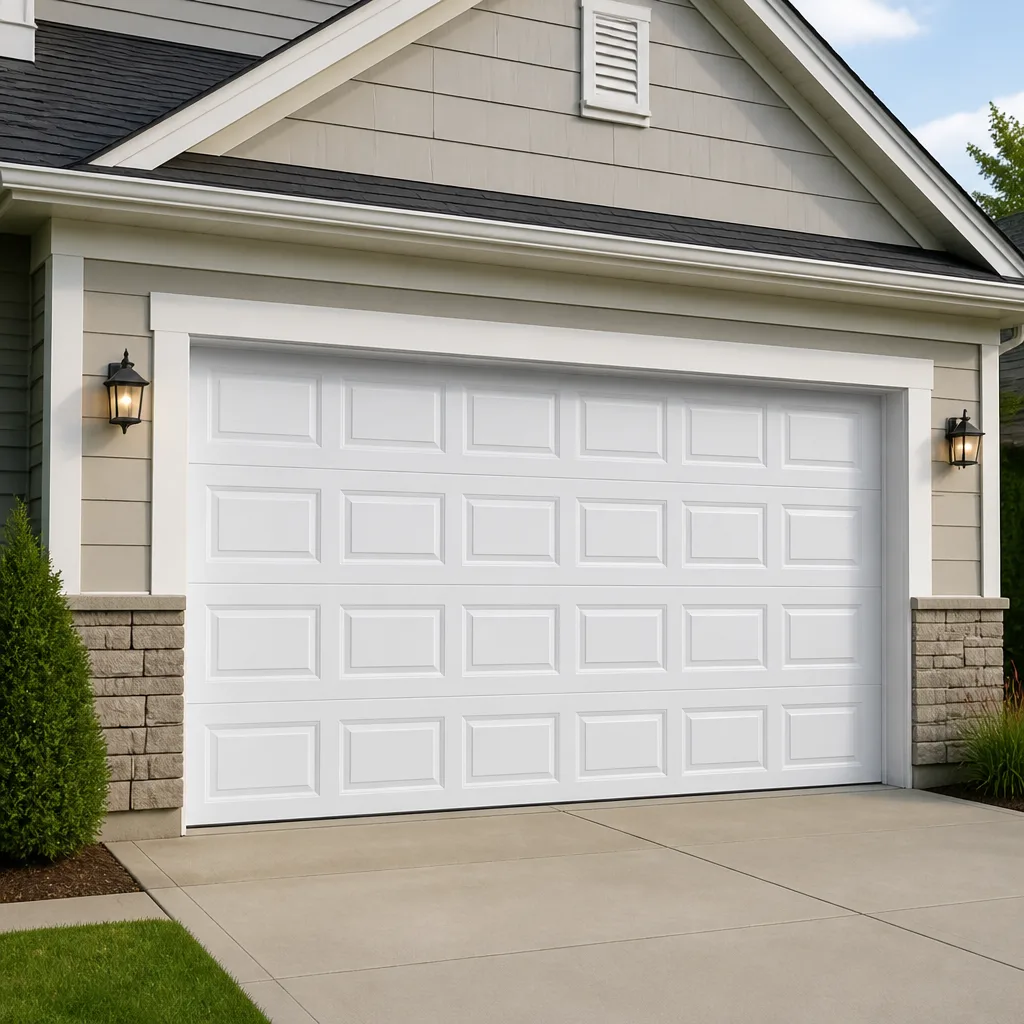 Raised-panel steel
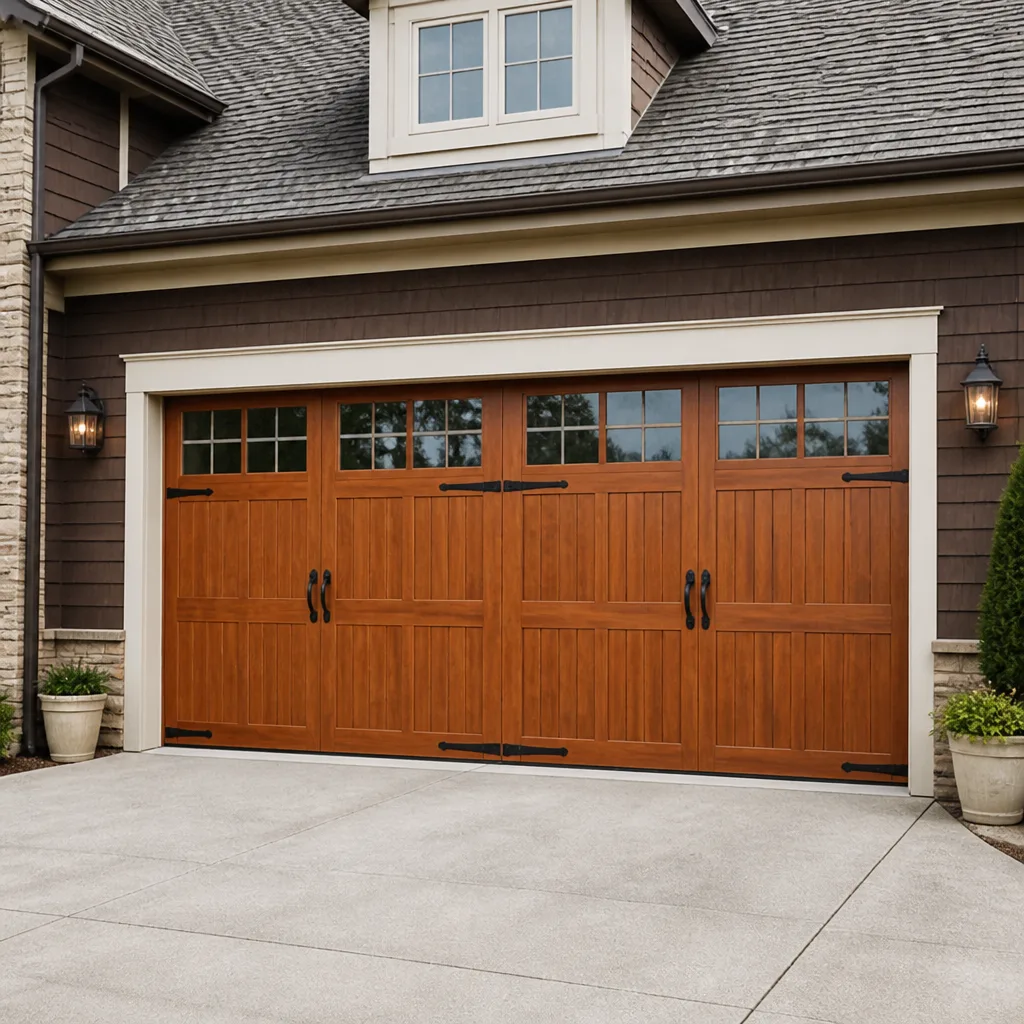 Carriage house
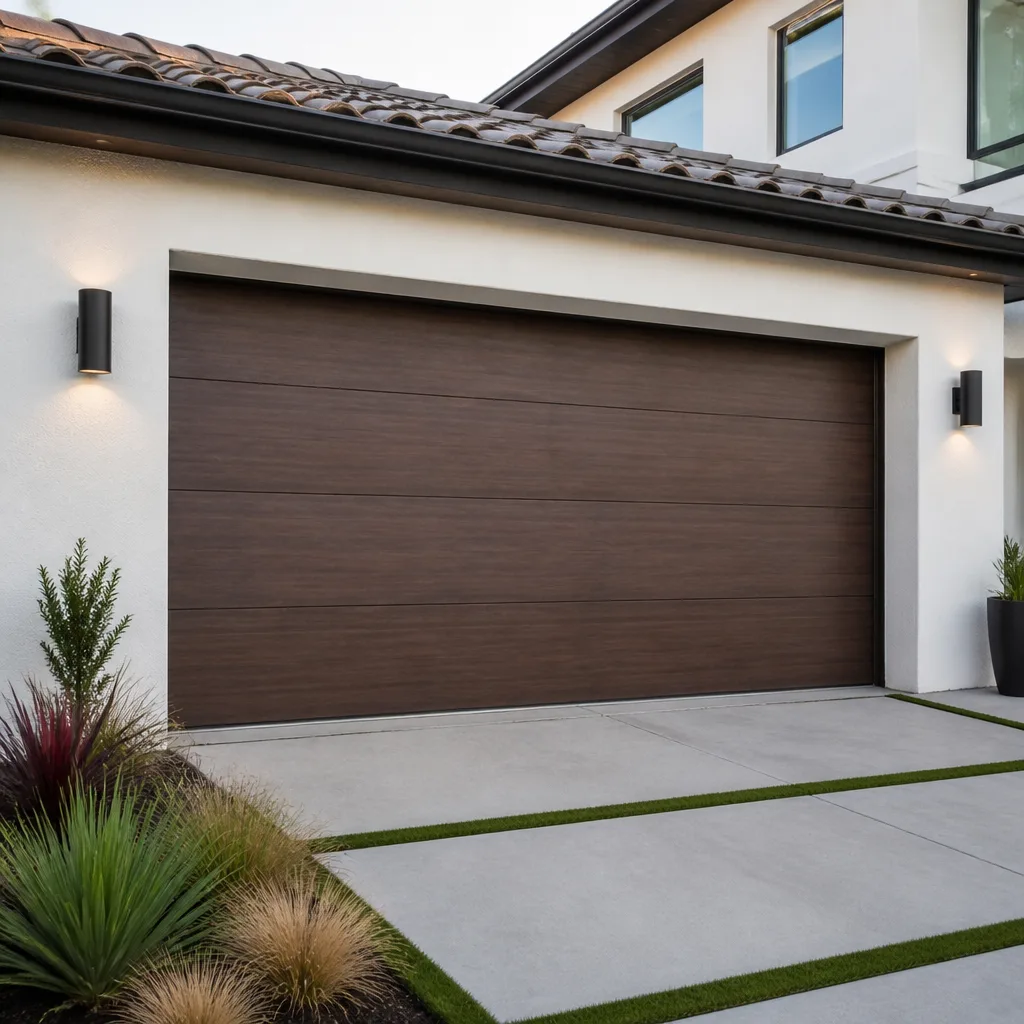 Modern flush
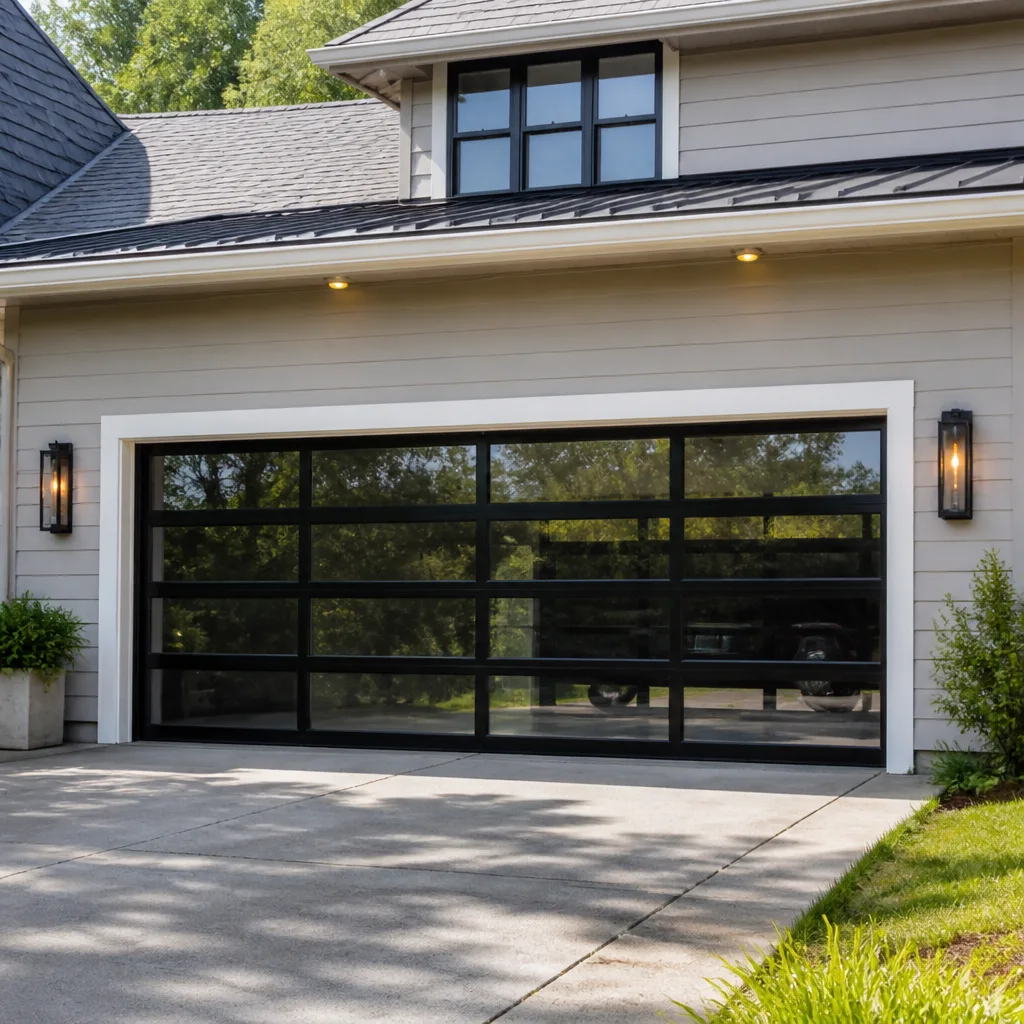 Full-view glass
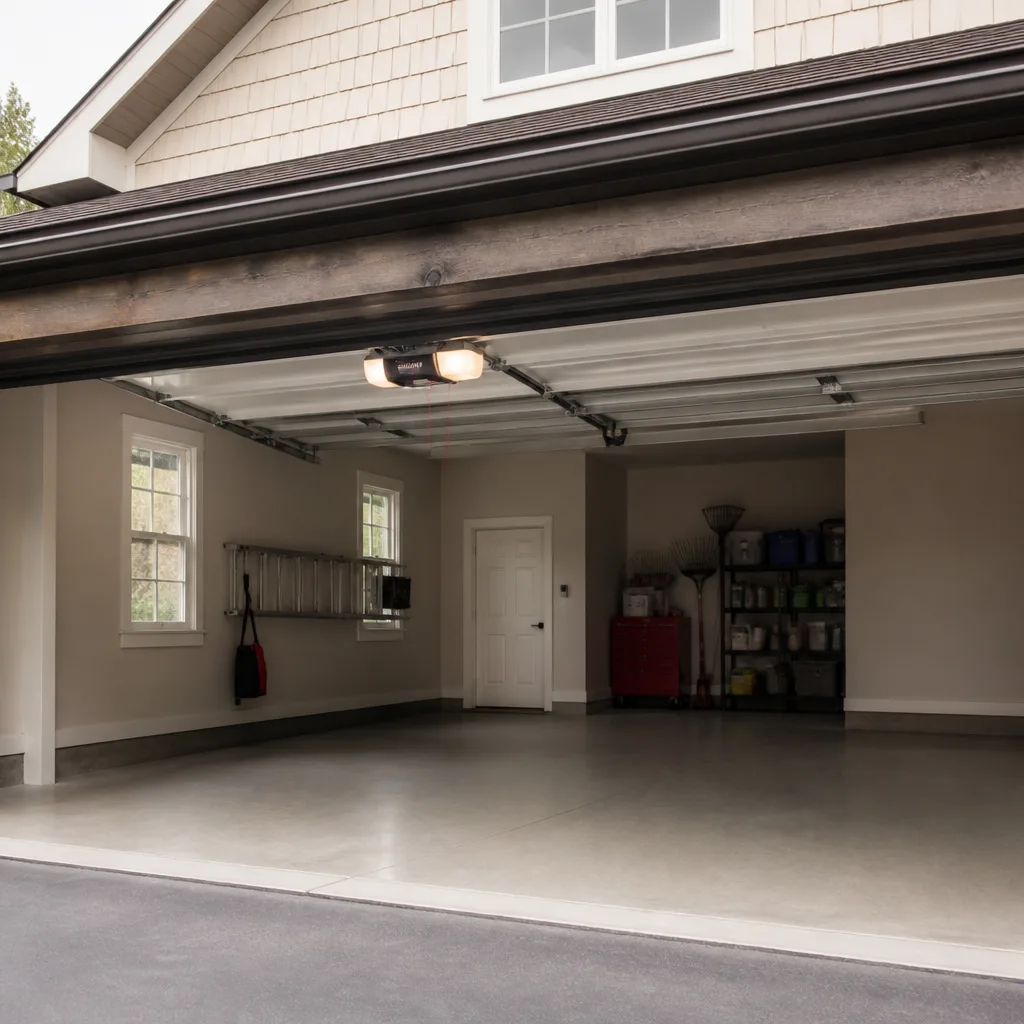 LiftMaster openers
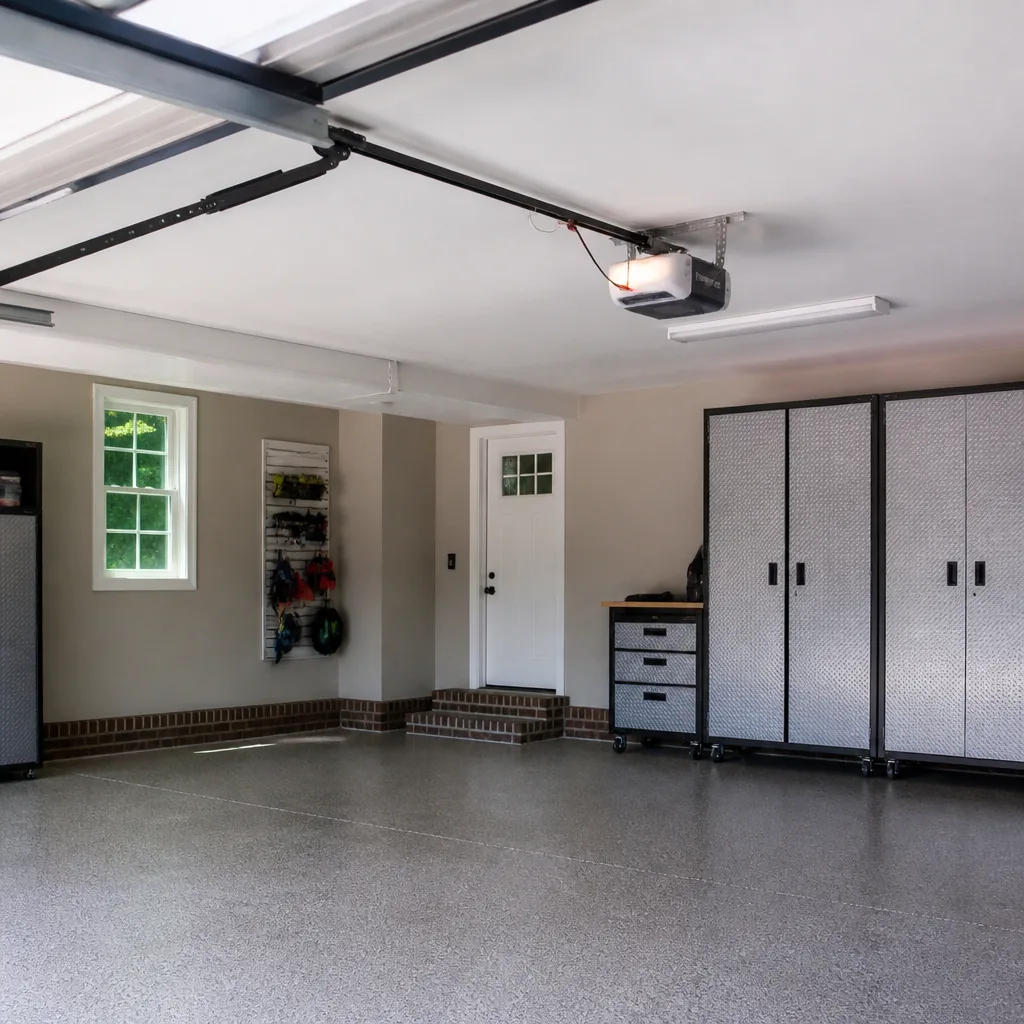 Chamberlain openers
Full 25-point door and opener safety check with every visit - springs, cables, rollers, tracks, and your LiftMaster or Chamberlain opener included
You get a price before we start. It does not change when the pro arrives.
Get your free estimateGarage Door Warning Signs: A Clearwater Homeowner’s Reference Guide
A snapped torsion spring doesn’t snap without warning. It telegraphs the failure for weeks through sounds, balance shifts, and opener strain patterns that most homeowners write off as normal right up until the door drops. That’s the part nobody tells you. The obvious failures – a door that won’t open, a door hanging crooked – are the end of the story, not the beginning. By the time you see them, the repair is bigger and the door is already a hazard. This guide is about the subtle, easy-to-miss signals that show up long before that morning in Clearwater when the door stops dead. We’ll walk through what each sound means, a balance test you can run in half a minute, and how to tell a garage door mechanical problem from an opener problem.
Quick Answer
The warning signs worth acting on are not the ones that stop the door. They’re the ones that change how it moves: grinding or popping during travel, a door that sits crooked at the top, an opener that hesitates or strains to lift, and visible corrosion on springs, cables, or rollers. Any of those points to worn hardware under load. If a spring is visibly broken, a cable is frayed, or the door drops faster than it should, that’s a safety hazard and it needs a professional, not a scheduled visit – call (866) 488-2820.
Styles & brands we work with
- Raised-panel steel
- Carriage house
- Modern flush
- Full-view glass
- LiftMaster openers
- Chamberlain openers
Table of Contents
- What Your Garage Door Is Telling You: Grinding vs. Squeaking vs. Popping
- The 30-Second Balance Test That Reveals Spring Wear
- Reading Corrosion on Springs, Cables, and Rollers
- When the Opener Isn’t the Problem: Reading Motor Behavior
- Immediate Safety Hazards vs. Signs You Can Schedule For
- Visual Checks You Can Do From the Ground
- What Routine Care Prevents and What It Doesn’t
What Your Garage Door Is Telling You: Grinding vs. Squeaking vs. Popping
Every garage door makes noise. The trick is knowing which noises are the door working as designed and which are the door asking for help. Most of the calls we take in Clearwater trace back to a homeowner who dismissed a sound for months and then got a much larger bill. Here’s how to sort them.
- Squeaking is usually the mildest sign. It tends to mean dry hinges, rollers, or a dry torsion shaft. Lubrication often quiets it. But squeaking that returns days after you lubricate can signal a roller or hinge that’s worn past its useful life, not just under-lubricated.
- Grinding is friction under load. It commonly comes from rollers that have stopped rolling and started dragging, or a torsion shaft turning against dry bearings. Grinding during the first foot of travel is worth watching. Grinding through the whole cycle means the hardware is working harder every single time you open the door, and that accelerates wear on the opener too.
- Popping is the one to take seriously. A single pop, then normal operation, often means a roller has jumped its track or a hinge has shifted. Repeated popping on every cycle points to a track that’s out of alignment or a spring under uneven tension. A loud pop followed by a door that suddenly feels heavy is a spring failure in progress.
- Squealing from the opener housing, not the door itself, is a different beast. It suggests motor or gear wear rather than door hardware, which is why brand-specific knowledge matters. A LiftMaster or Chamberlain operator behaves differently from a Genie, and a technician who knows the system diagnoses it faster.
In our experience, the sounds that repeat on every cycle matter more than the sounds that happen once. Intermittent noise gets dismissed for weeks. Constant noise gets a job done. If you can’t tell where a sound is coming from, that ambiguity alone is a good reason to have it looked at, because “the door” and “the opener” are two different repair conversations.
The 30-Second Balance Test That Reveals Spring Wear
This is the single most useful check a Clearwater homeowner can run. Springs do the heavy lifting on your door. The opener only guides it. When a spring weakens, the door feels heavier to the opener and heavier to you, and you can detect that shift well before anything breaks. The balance test reveals it in about half a minute.
- Disconnect the opener. Pull the emergency release cord so the door moves on its own. Make sure no one is near the door and nothing is in its path.
- Lift the door to about waist height by hand. Use the handle or the bottom rail, not the panels’ edges. It should lift with firm, steady effort. If it takes real muscle to raise, the springs are losing tension.
- Let go at waist height. Step back. A properly balanced door holds roughly where you left it, maybe drifting an inch or two.
- Watch what happens. A door that sinks slowly means modest spring wear. A door that drops quickly is a spring failing to hold its load, and you should stop testing and call. A door that rises on its own means over-tensioned springs.
- Reconnect the opener and put it back in service once you’ve noted what you saw.
A door that fails the balance test but still opens is operable but under strain. Every open cycle is harder on the opener motor, which is exactly how people end up replacing an opener they didn’t need to replace. A door that drops freely is a safety concern, and that’s the point to call rather than keep testing. Our technicians have up to 11 years of experience, and spring repair is one of the things we handle most – it’s also one of the most dangerous tasks in the trade, which is why we’re direct about not doing it yourself.
Reading Corrosion on Springs, Cables, and Rollers
Florida humidity is hard on garage door hardware. Springs, cables, and rollers sit in an unconditioned space where moisture lingers, and over time that moisture shows up as corrosion. Corrosion isn’t cosmetic. A corroded spring loses its ability to hold tension evenly, and a corroded cable loses strength where you can’t see it.
Here’s what to look for, in order of how much it matters:
- Springs: Look for rust spotting or a dull, chalky oxidized finish on the coil. A spring with surface rust can still work, but rust that’s pitted or flaking means the metal is thinning under load. Torsion springs are the ones to check most closely because they sit at the top of the door under constant tension.
- Cables: These are the backup that catches the door if a spring fails. A cable with fraying, kinks, or a rusted drum is a hazard, not a maintenance item. If you can see broken strands, stop using the door.
- Rollers: Metal rollers corrode and stop turning smoothly, which is one of the common sources of grinding. Nylon rollers hold up better in humid conditions. A roller that’s seized will drag along the track and wear the track itself over time.
- Track and hinges: Rust on the track surface roughs up the path the rollers travel. Hinges that have rusted at the pivot points bind and pop. These are usually the cheapest pieces to address early and the most expensive to ignore.
In a Clearwater home, this hardware lives in a hot, often humid space year-round. A visual check every few months, done from the ground without touching anything, catches most of it. If you see corrosion progressing on a spring or a cable, get it looked at before the hardware decides the timeline for you. It’s the kind of thing where a scheduled visit beats an emergency call every time.
When the Opener Isn’t the Problem: Reading Motor Behavior
This is the most common misdiagnosis in garage doors: a homeowner decides the opener is dying and replaces it, when the real problem was the door’s hardware all along. The opener is doing exactly what a struggling motor should do – working harder – and it pays for a mechanical problem upstream. Reading opener behavior correctly saves you a needless replacement.
These motor behaviors usually point to the door, not the opener:
- Hesitation at the start of travel. The opener strains before the door clears the first few inches. That’s the door being too heavy, which means springs are weak or a roller is binding. A healthy opener starts a balanced door smoothly.
- Reversal or return to open. The door goes up partway, then reverses. This can be a safety sensor issue, but it can also be the opener hitting resistance it reads as an obstruction. If the door binds on one side, the motor interprets that as an obstruction.
- Excessive motor noise without door noise. If the opener chatters or hums loudly while the door moves normally, the problem lives in the motor or gear, not the door. That’s a genuine opener repair.
- Opener overheating or stopping mid-cycle. A motor that stops after several cycles and cools down is telling you it’s overloaded. On a heavy door, that’s the opener absorbing the spring’s job.
Brand matters here. A Craftsman or Raynor operator has its own characteristics, and a technician who’s worked on the system before recognizes abnormal behavior faster than one guessing. If you’re seeing hesitation and a heavy door, we’d treat it as a door symptom first. Our garage door opener repair work always starts with a look at the door, not the motor.
Immediate Safety Hazards vs. Signs You Can Schedule For
Some warning signs mean stop using the door. Others mean book a visit. Confusing the two is where people get hurt. This breakdown is the one we want every Clearwater homeowner to walk away with.
Call now and stop operating the door if you see:
- A visibly broken torsion or extension spring.
- A cable that’s frayed, broken, or hanging loose.
- The door dropping quickly in the balance test.
- Track damage so severe the door catches or comes off the rails.
- A door that moves on its own when the opener is disconnected.
- Panels separating or the door hanging visibly crooked.
Schedule a visit in the coming days if you notice:
- Grinding, popping, or squeaking that repeats on every cycle.
- Opening hesitation or the opener struggling to start.
- Surface corrosion on springs or rollers that isn’t yet severe.
- A door that sinks slowly in the balance test but still opens.
- The opener reversing intermittently without a clear obstruction.
The line between the two lists is whether the door is currently holding its own weight safely. If a spring has failed or a cable is compromised, the door is being held up by a motor that wasn’t designed for the load, and that’s a hazard. Anything in the second list is a door under strain that hasn’t failed yet – the ideal time to intervene. For a door that needs same-day help, that’s what garage door repair covers.
Visual Checks You Can Do From the Ground
You don’t need to touch anything to catch most of the early warning signs. A walk-around every month or two, done with your eyes and your ears, is enough to spot problems while they’re still small. Here’s what to look for, starting from the ground.
- Stand back and look at the door closed. Is it level along the bottom? Is the gap to the floor even? Are the panels aligned? Any asymmetry is a track or tension issue.
- Look at the springs. From the ground, check the color and texture of the coils. Rust spotting, flaking, or a broken coil end is the sign to stop.
- Check the cables. Follow them down from the drums. Straight, taut, and rust-free is the goal. Fraying, kinks, or looseness is a hazard.
- Check the rollers and track. Look for roller stems that are worn, rollers that are cracked, or track that’s bent or dirty. You can lubricate rollers and hinges from the ground without touching anything under tension.
- Run the door and listen. Open and close it once, standing clear. Note where any noise happens in the cycle. A grinding sound at the bottom is rollers or track. A grinding sound at the top is bearings or the torsion shaft.
If any of those checks leave you unsure, that’s a reason to call. A properly set up door should run quietly and smoothly without needing a running commentary. If you find yourself explaining away the noise, it’s already telling you something. When the door isn’t moving at all and the house is unsecured or the car is trapped, that’s when Clearwater Garage Door Repair Pros steps in for emergency service.
What Routine Care Prevents and What It Doesn’t
Regular maintenance buys time and avoids surprises. It does not make garage door hardware last forever. Both things are true, and understanding the difference keeps you from expecting more than maintenance can deliver.
What routine care does well:
- Lubrication of hinges, rollers, and rollers’ stems keeps friction down and the door moving quietly. Friction is what wears hardware and burdens the opener, so reducing it extends the life of both.
- Cleaning the track and checking that rollers are rolling keeps the door aligned and reduces track wear.
- Testing the safety reverse – the mechanism that stops and reverses the door if an object is sensed – is a critical safety check, not optional. It’s quick to test and a serious safety feature when it works.
- Visual checks catch corrosion, fraying cables, and failing springs while they’re still low-cost to fix.
What routine care doesn’t do: it doesn’t restore a weakened spring’s tension, it doesn’t reverse corrosion that has thinned metal, and it doesn’t fix a door that’s out of balance. Those need physical work on the components themselves. When the hardware has reached its limit, a new door or a new opener can be the right call. That’s what garage door installation is for, and it’s a decision worth making on a clear diagnosis rather than in a panic on a morning when the door won’t move. We work on every major brand, from LiftMaster to Genie, so the hardware conversation is brand-specific, not one-size-fits-all.
Common Mistakes to Avoid
- Replacing the opener when the door is the problem. A struggling opener is usually a symptom of worn springs or a binding roller. Diagnose the door first, or you’ll pay for an opener you didn’t need and still have the same problem.
- Ignoring a repeating sound. Intermittent noise gets a pass, but a sound on every cycle is the door telling you what’s coming. Waiting for a failure means paying for a repair instead of a maintenance fix.
- Trying to adjust or replace torsion springs yourself. Springs are under tension heavy enough to cause serious injury. It’s a job for trained technicians, every time, in Clearwater or anywhere.
- Skipping the balance test. It takes 30 seconds and catches spring wear weeks before you’d otherwise notice. If you run one check a month, run that one.
- Assuming rust is just cosmetic in a humid climate. Corrosion on a spring or cable is a structural issue. Surface rust on a hinge is not. Learn the difference.
- Booking an emergency visit when a scheduled one would do. A door that sinks slowly but opens is a scheduled job. Save the urgency for a broken spring or a trapped car.
- Letting a generalist guess at brand-specific hardware. A LiftMaster, Chamberlain, or Craftsman system has its own quirks. A specialist diagnoses it the first time, which is cheaper than a generic fix that fails again.
See the difference
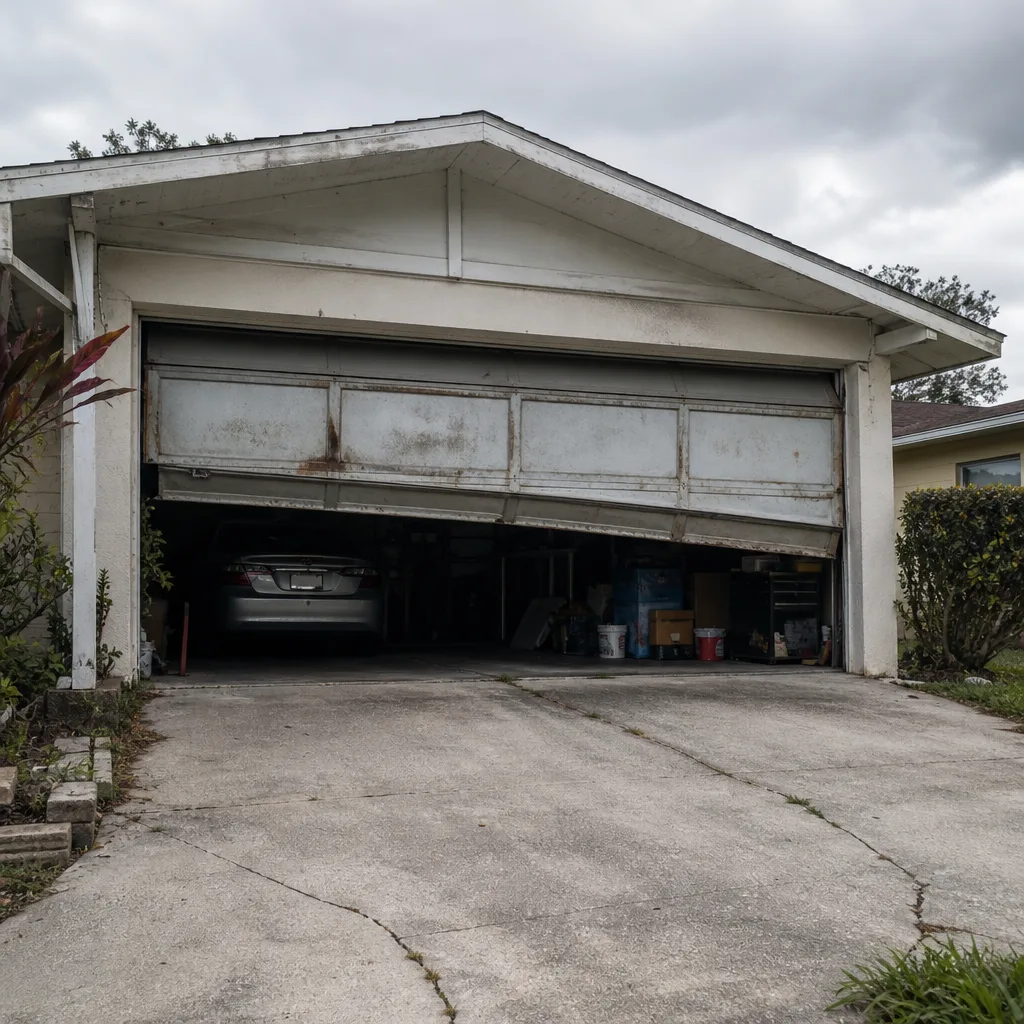 Before
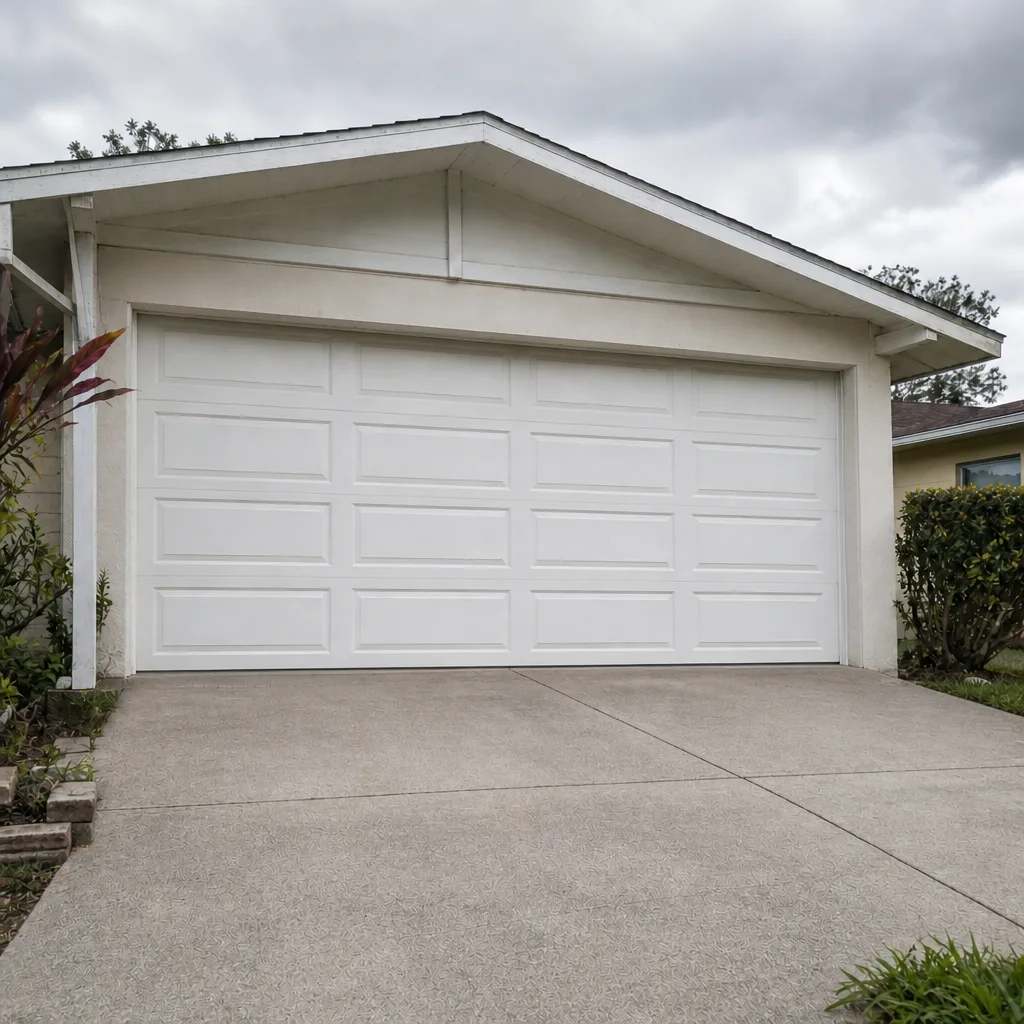 After
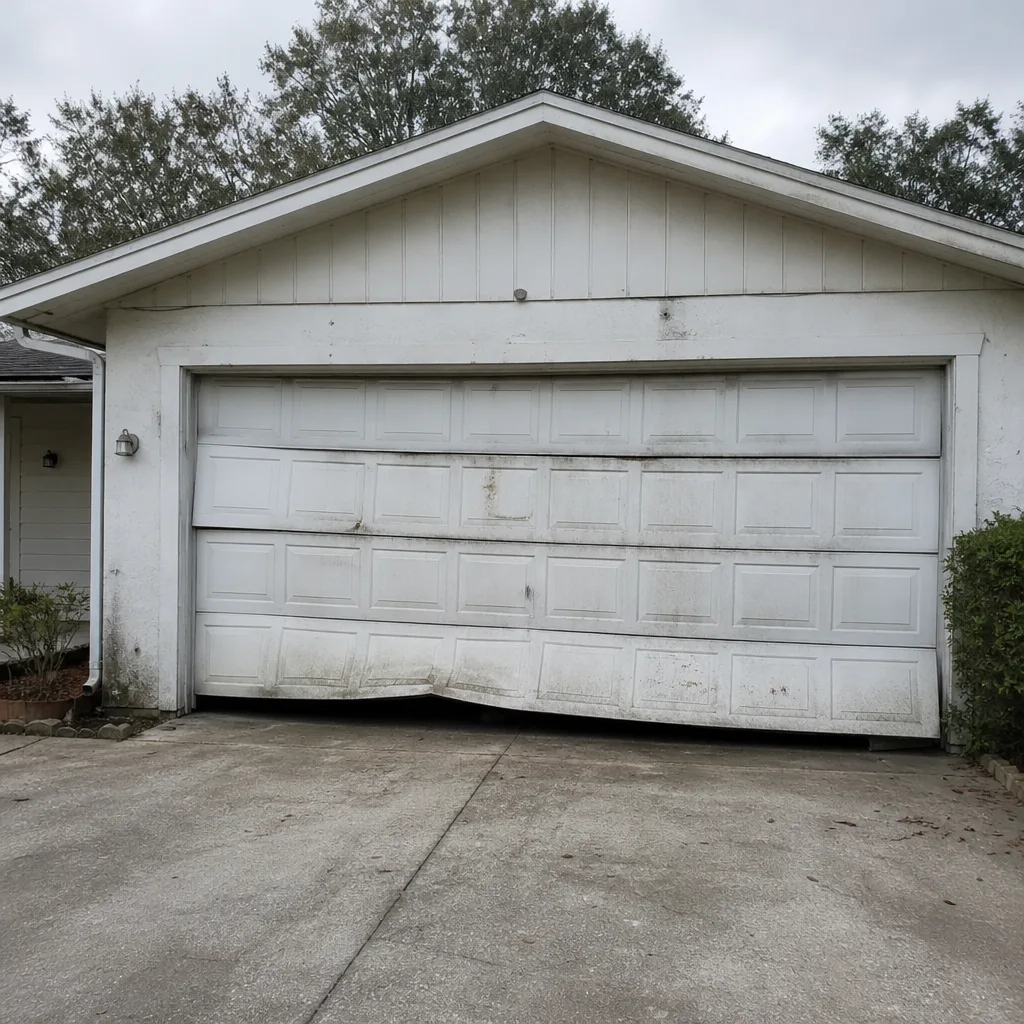 Before
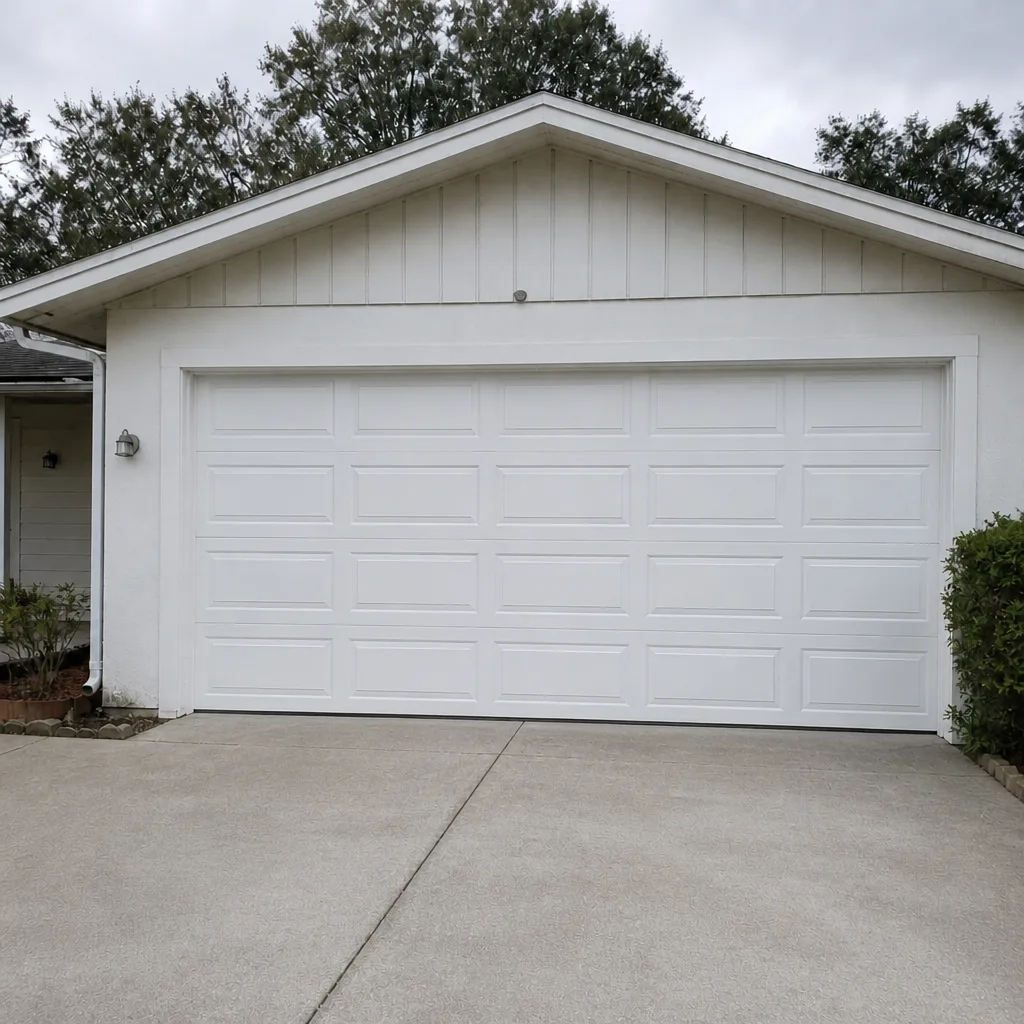 After
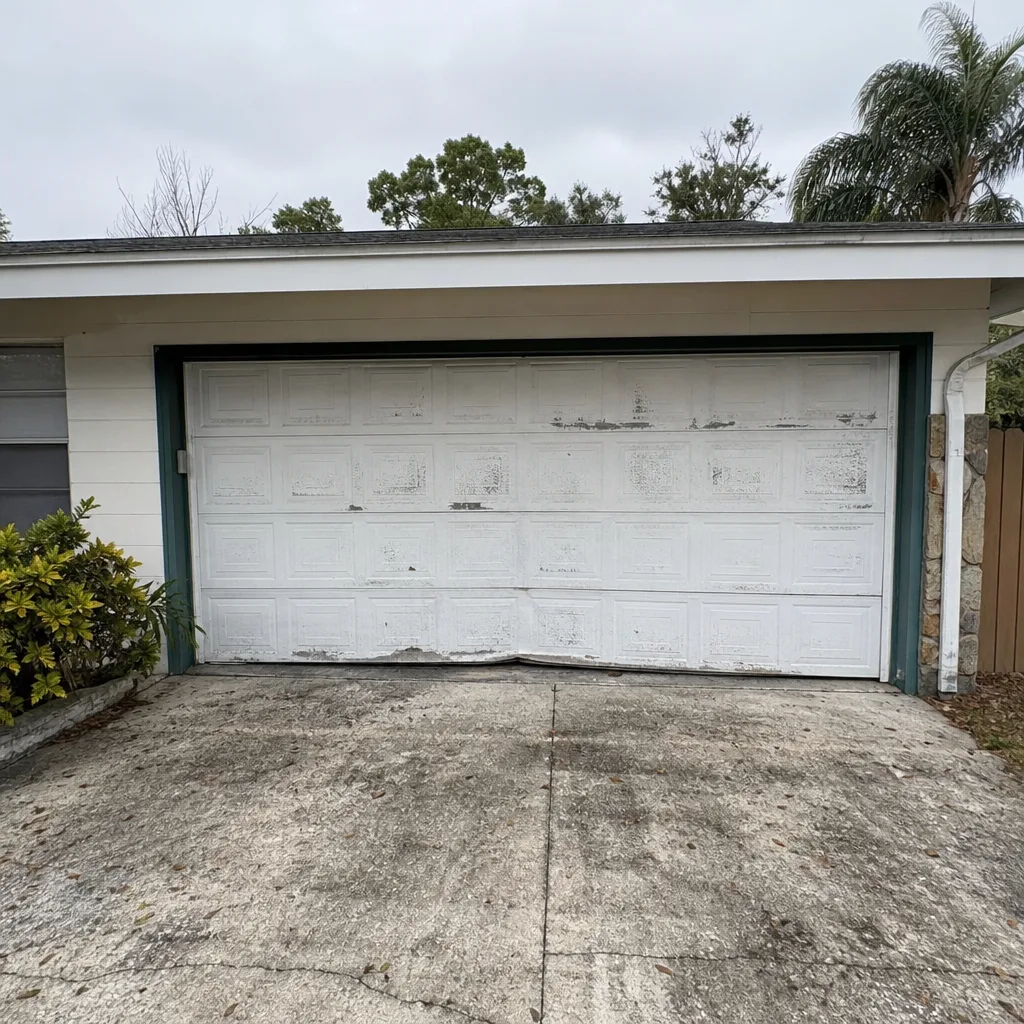 Before
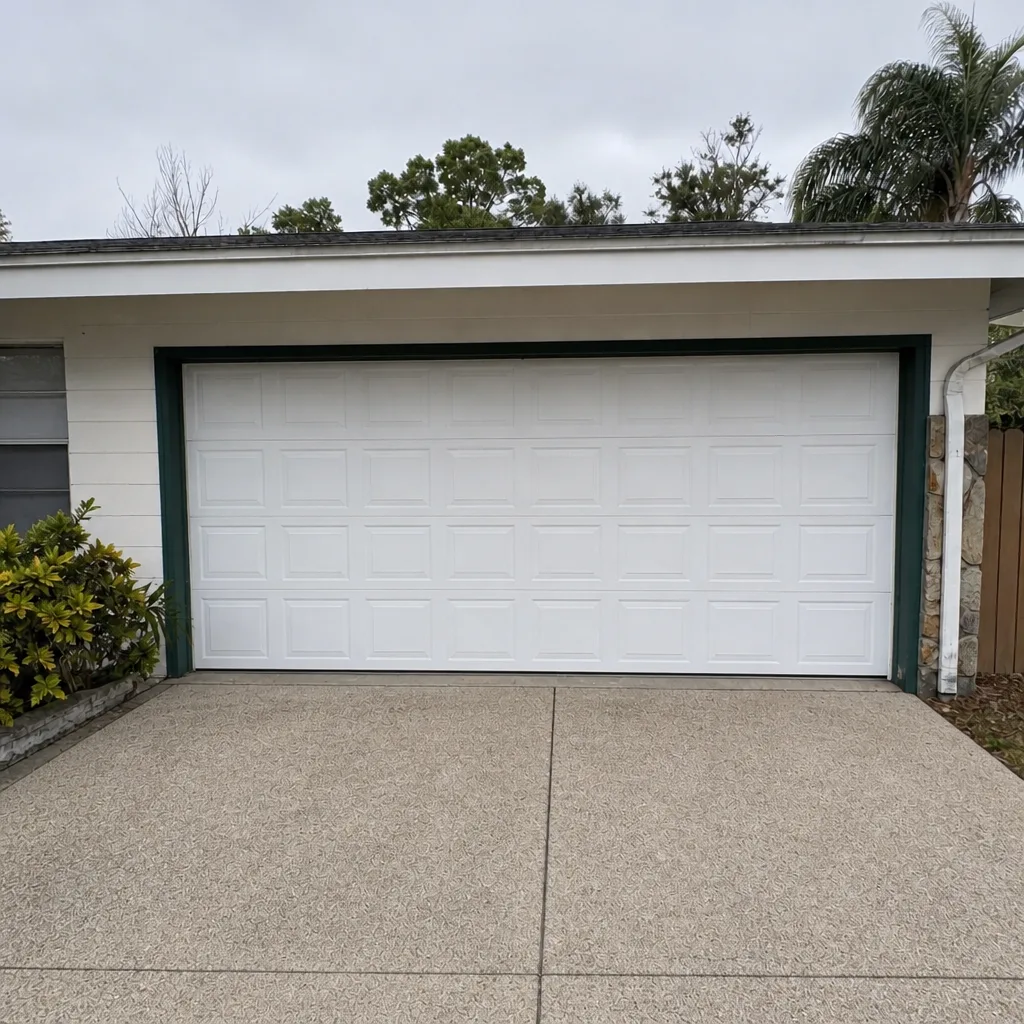 After
When to Call a Professional
Call a professional the moment any of these is true: a spring is visibly broken, a cable is frayed or slack, the door drops quickly in the balance test, the track is damaged, or the door moves on its own when disconnected. In each case, the door is not safely holding its weight, and using it puts the opener and anyone nearby at risk. Less urgent but still worth a call: grinding or popping on every cycle, opener hesitation, corrosion on springs or cables, and a door that sits crooked. A clear diagnosis catches those before they become a bigger job.
Clearwater Garage Door Repair Pros offers free estimates in Clearwater – call (866) 488-2820. We answer 24/7. Fast dispatch from 7am to 7pm, Sunday through Friday. Garage doors are all we do, from snapped springs to full installations, and our technicians have up to 11 years of experience.
Frequently Asked Questions
A spring that’s about to fail usually shows signs beforehand: surface rust that’s pitting or flaking, visible gaps or a broken coil end, and a door that needs extra force to lift or that sinks in the balance test. Grinding or popping during operation can also point to a spring under uneven tension. If you see a broken spring, a frayed cable, or the door drops quickly when released, stop using the door and call (866) 488-2820 – estimates are free.
Grinding usually means friction under load: rollers that have stopped rolling and started dragging, a torsion shaft turning against dry bearings, or track that’s rough enough to resist the rollers. A grinding sound through the whole cycle means the hardware is working harder every time, which wears on both the door and the opener. It’s worth booking a look before it turns into a failure. Call (866) 488-2820 for an exact quote.
Yes. The balance test catches spring wear and load imbalance, and it won’t reveal every issue – corroded cables, damaged rollers, opener motor problems, and safety sensor faults all pass the test. It’s one useful check, not a full diagnosis. If anything else sounds or looks off, that’s worth a look. Call (866) 488-2820 for a free estimate.
Hesitation at the start of travel usually points to the door, not the opener. The opener is straining because the door is too heavy, which means weak springs or a binding roller is the real cause. Replacing the opener without fixing the door leaves you with the same problem on a new motor. A proper diagnosis sorts it out first. Call (866) 488-2820 for a free estimate.
A visual check from the ground every month or two is a sensible routine in a humid climate, since corrosion moves faster on springs, cables, and rollers. Run the balance test just as often – 30 seconds is all it takes. Lubricate hinges and rollers as part of routine care, and test the safety reverse on a regular schedule. If you spot progressing rust or hear repeating noise, call (866) 488-2820.
No. The written estimate we give you before any work starts sets the price. You’ll know exactly what the repair involves and what it costs before we begin, so there are no surprises when the job is done. Call (866) 488-2820 for a free estimate – we’ll tell you what we see and what it takes to fix it.
The Bottom Line
The garage door warning signs worth watching are the quiet ones: a sound that repeats on every cycle, a door that sits crooked, an opener that hesitates, rust creeping across a spring. Caught early, they’re scheduled repairs and maintenance items. Caught late, they’re emergencies on the wrong morning. The balance test takes 30 seconds and belongs in your monthly routine. The visual walk-around takes a minute and catches most corrosion and cable issues. And the line between “book a visit” and “stop using the door” comes down to whether the door is still safely holding its own weight. If you’re unsure which side of that line you’re on, call (866) 488-2820 for a free estimate and let a technician who knows your brand take a look.
Written by the team at Clearwater Garage Door Repair Pros.