
Last updated November 21, 2026
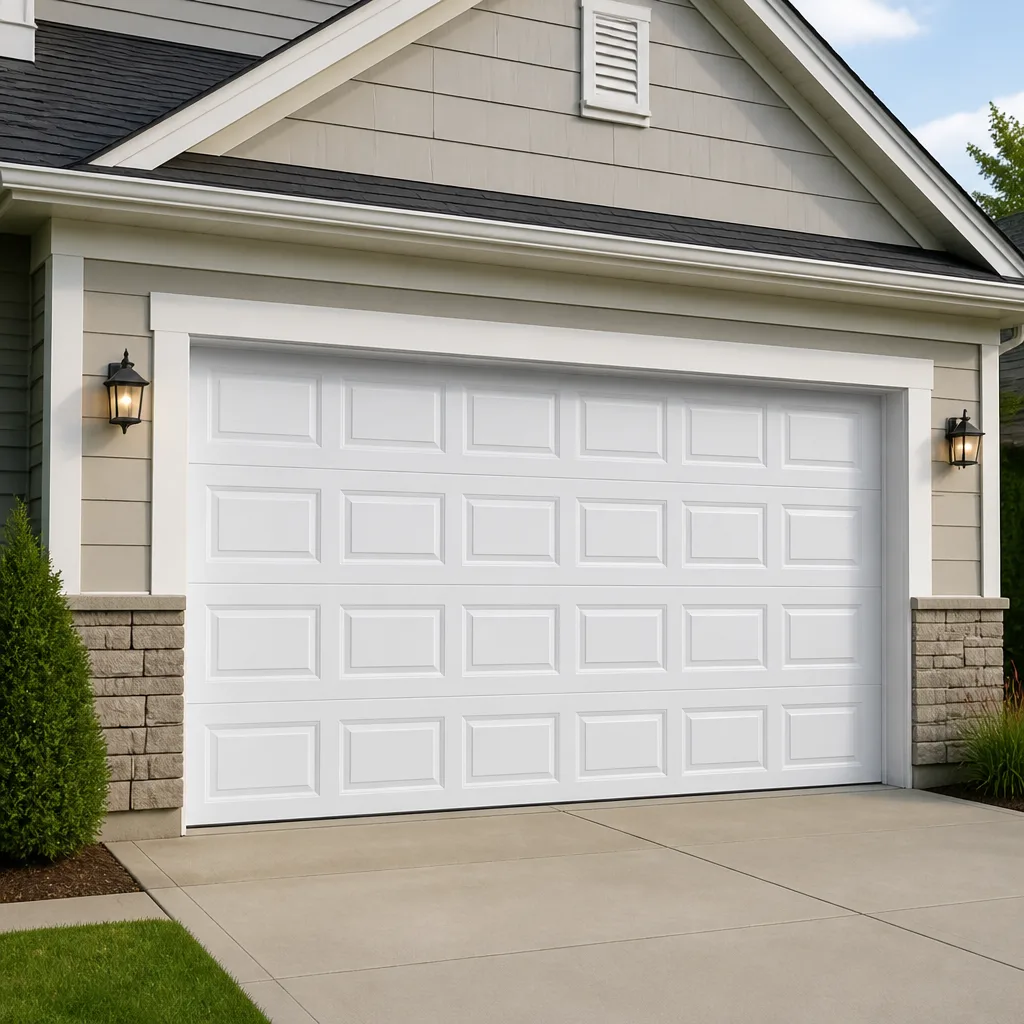 Raised-panel steel
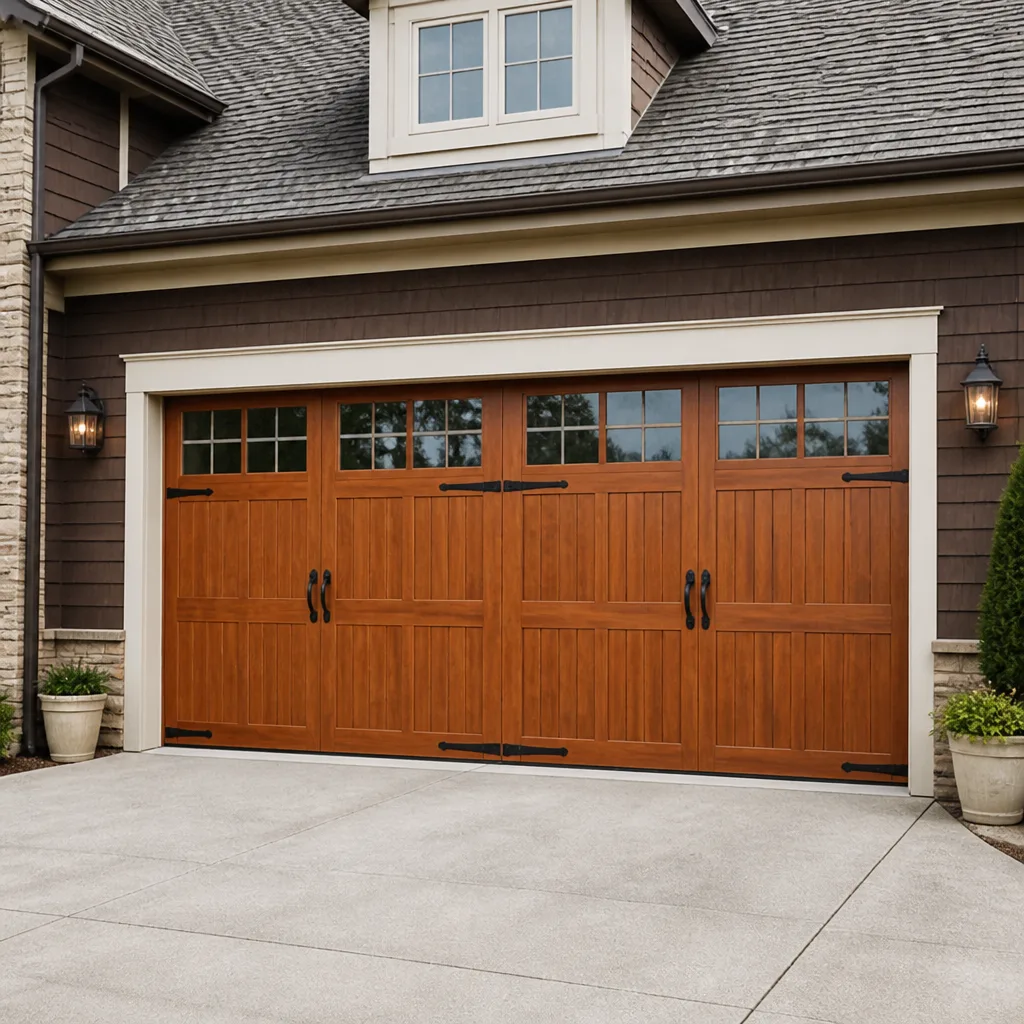 Carriage house
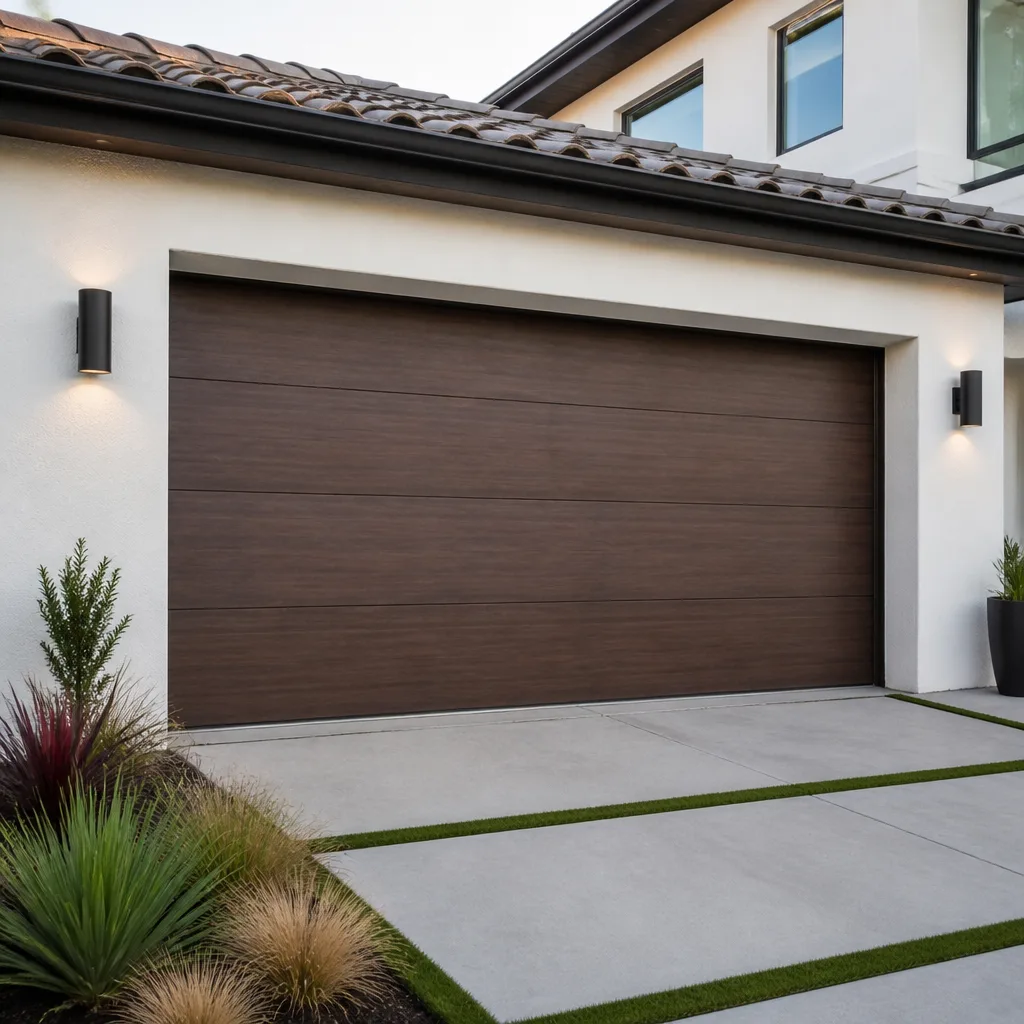 Modern flush
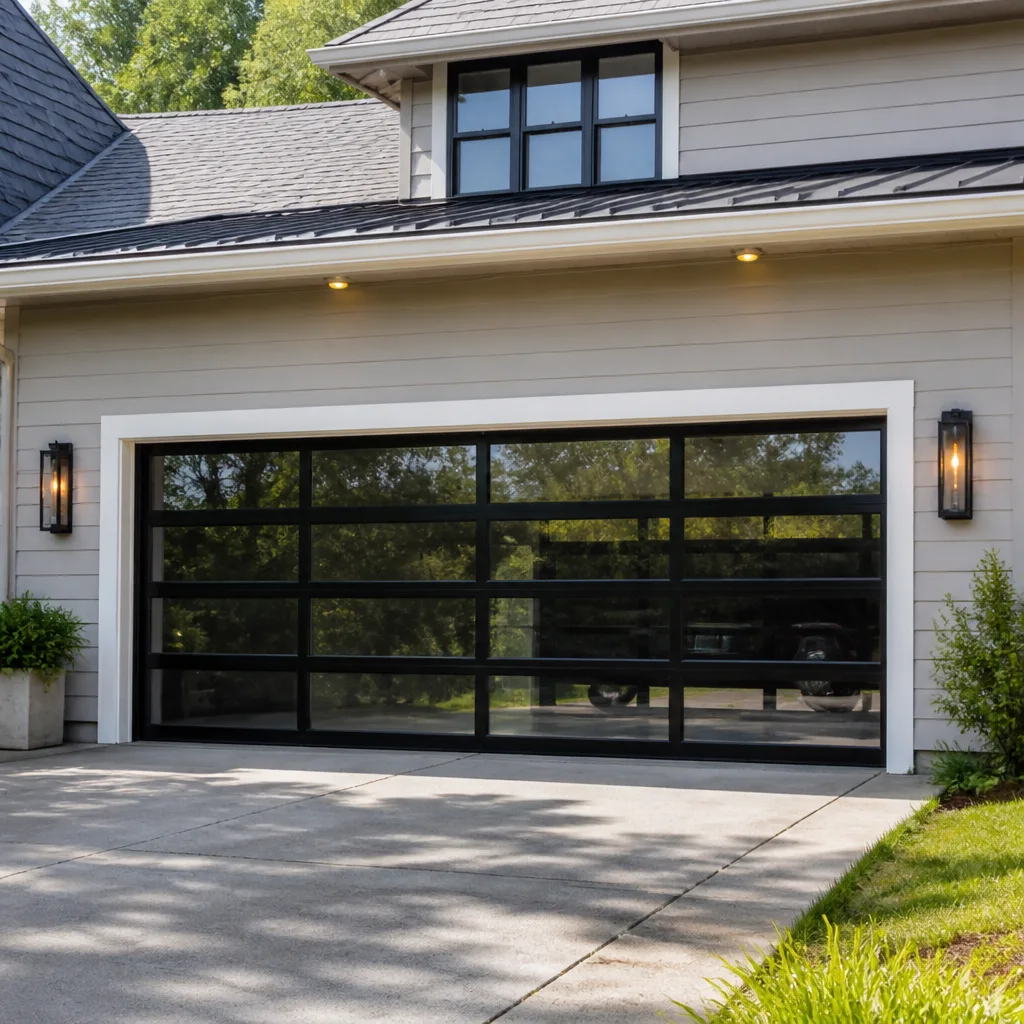 Full-view glass
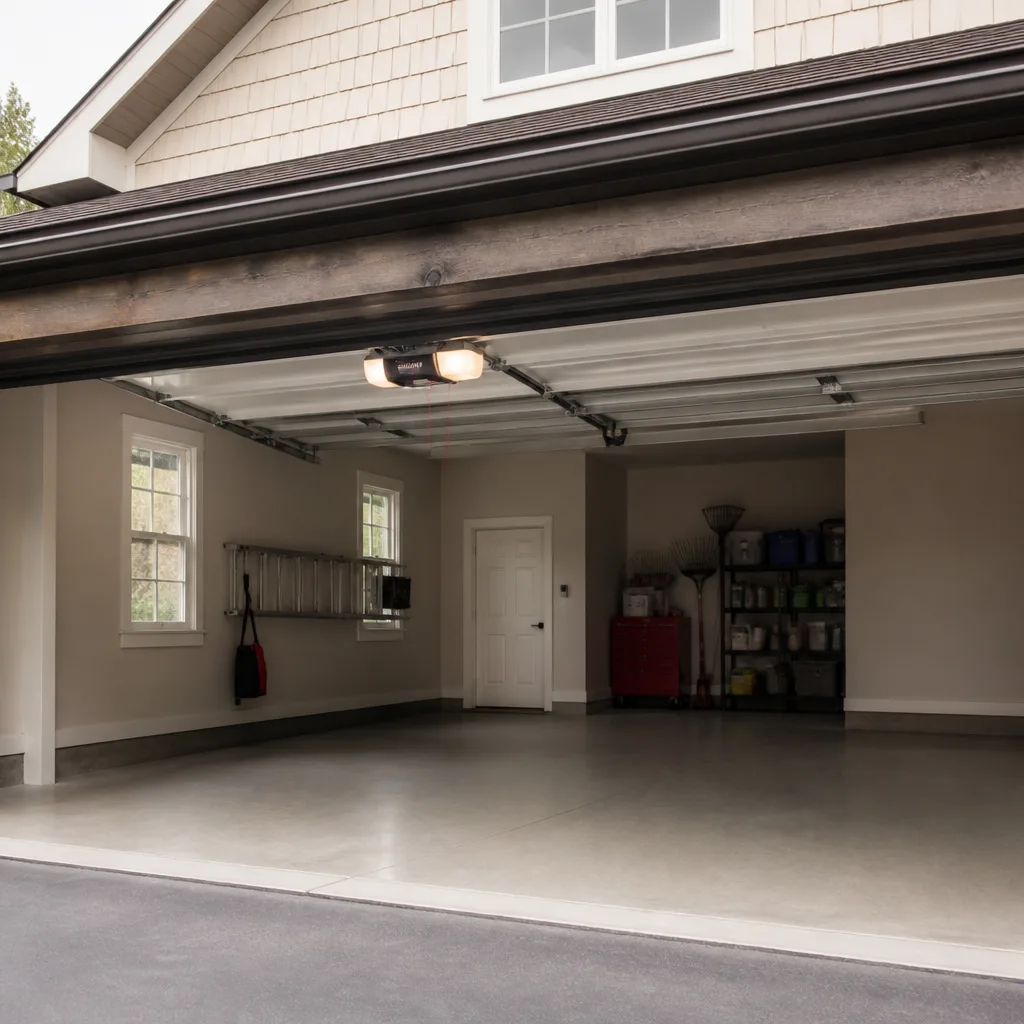 LiftMaster openers
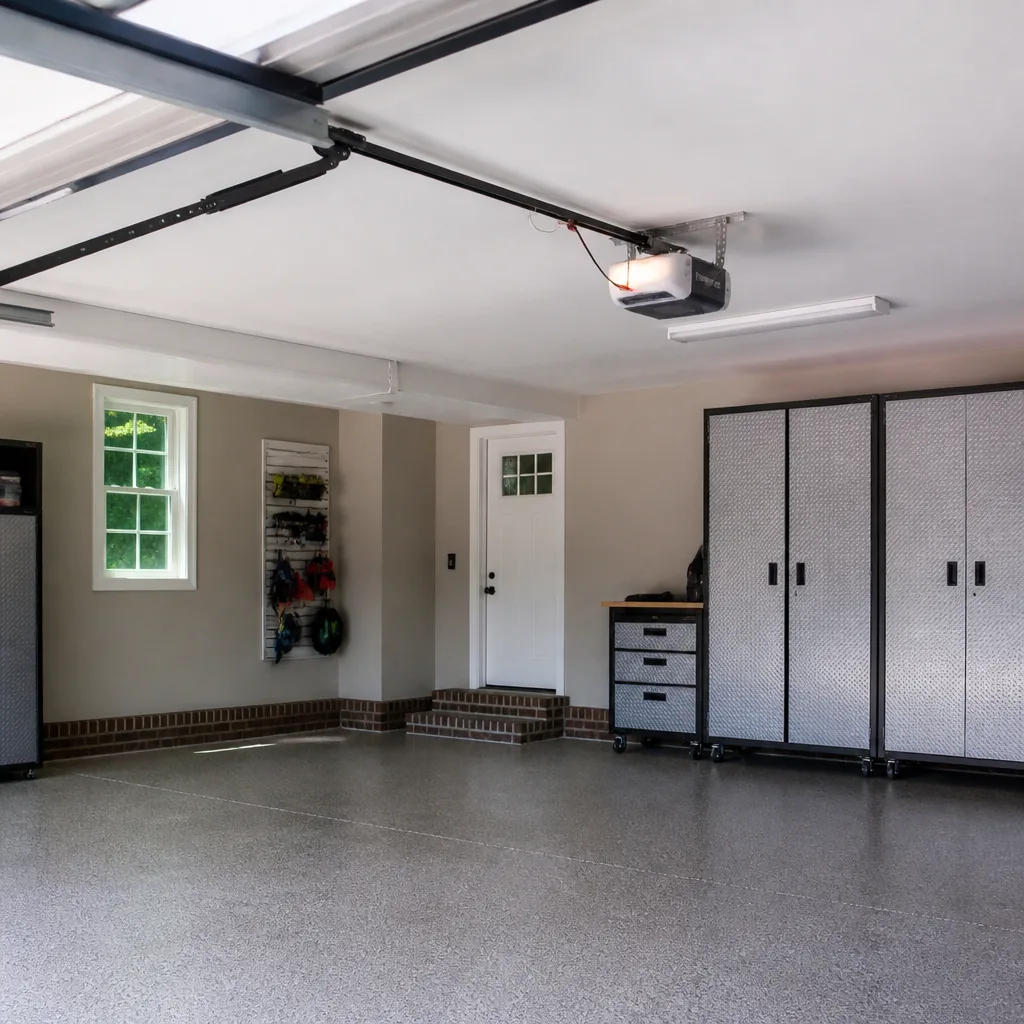 Chamberlain openers
Full 25-point door and opener safety check with every visit - springs, cables, rollers, tracks, and your LiftMaster or Chamberlain opener included
You get a price before we start. It does not change when the pro arrives.
Get your free estimateGarage Door Permits, Codes & Inspections in Clearwater, FL: What You Need to Know
Most Clearwater homeowners assume that replacing a garage door is a like-for-like swap that needs no paperwork. That assumption is where trouble starts. In Florida, a garage door is treated as a structural and wind-load component of the building envelope, so an unpermitted installation leaves a documented gap that home inspectors and insurance adjusters are trained to find. That gap can complicate a home sale or a wind damage claim at the worst possible moment. This guide explains exactly when Clearwater and Pinellas County require a permit, how Florida Product Approval works, what wind-load specs your door must meet, how an unpermitted door affects your wind mitigation credits, and what the inspection really involves.
Quick Answer
In Clearwater, FL, a full garage door replacement or a new door installation requires a building permit and an inspection, while simple repair work like spring, cable, roller or opener replacement generally does not. The door must carry a valid Florida Product Approval number and meet the wind-load requirements for this region. Skipping the permit can cost you wind mitigation insurance credits and create a problem during a home sale. The written estimate from your installer should always state who files the permit.
Styles & brands we work with
- Raised-panel steel
- Carriage house
- Modern flush
- Full-view glass
- LiftMaster openers
- Chamberlain openers
Table of Contents
- When does Clearwater require a permit for garage door work?
- What is Florida Product Approval and how do you verify it?
- Wind-load requirements and what they mean for your door specs
- How an unpermitted door affects wind mitigation insurance credits
- What the inspection actually involves and how long it takes
- The paperwork trail you should keep
- What this means in Clearwater’s neighborhoods
- Repair vs. replacement vs. new construction
When does Clearwater require a permit for garage door work?
A permit is required when the work changes or replaces a structural or wind-load component: a full door replacement, a new door where there wasn’t one, or a change to the opening, header or track anchoring system. Ordinary repair work usually doesn’t need one. That line isn’t always obvious to a homeowner, and it’s the single most common source of confusion we run into on Clearwater jobs.
Here’s how the three categories generally break down:
- Repair (usually no permit): replacing a broken spring, swapping a snapped cable, changing rollers, hinges or bearings, or fixing an opener motor, remote or safety sensor.
- Replacement (usually a permit): taking out a whole door and installing a new one in the same opening, even if it’s the same size. This is where wind-load ratings and Florida Product Approval come into play.
- New installation (permit): adding a door to a new opening or converting a wall or carport into a garage. This triggers structural review, framing checks and inspection before the door is signed off.
The safest approach is a direct question to the City of Clearwater’s building department before work starts. Permit thresholds can shift, and the person who files is usually your installer. Ask upfront whether a permit is included in the quote. Any reputable installer will answer without hesitation, and if the answer is “you don’t need one for a replacement,” that’s a reason to pause and confirm with the city yourself. Garage doors are all we do, so we file the paperwork correctly or we tell the customer what to ask the city for. No guessing.
If your door is damaged and you’re weighing repair against replacement, our garage door repair team can tell you in person which category the job falls into.
What is Florida Product Approval and how do you verify it?
Florida Product Approval is the state’s system for verifying that a building product meets the wind and impact standards it claims. Every garage door installed in a high-wind region must have a product approval number tied to a specific manufacturer, model and installation method. Without that number, the door can look identical to a compliant one and still fail inspection.
Verification isn’t difficult, but it has to happen before you buy. Here’s how to do it:
- Ask for the approval number in writing. Your installer or the supplier should give you the Florida Product Approval number for the exact door model being quoted.
- Match the number to the door, not the brand. A Clopay or Amarr or Wayne Dalton line can include dozens of models, and the approval is model-specific, not brand-wide.
- Check the installation method. Approvals are tied to how the door is anchored: track brackets, jamb attachment and fasteners. A door rated for one install pattern won’t pass if it’s hung another way.
- Confirm the label. Approved doors carry a permanent label or stamp showing the approval number. That label has to stay on the door after installation.
This is where a brand-fluent technician saves real time. We work on Clopay, Amarr, Wayne Dalton, Craftsman and the other major manufacturers, so the paperwork and installation requirements come with the territory. A generalist handyman may install a door correctly and still miss the approval documentation, because the box doesn’t always explain what Florida expects. Every door we install in Clearwater is matched to its approval number before the truck leaves the shop, and we hand the owner a copy.
Wind-load requirements and what they mean for your door specs
Clearwater sits in a windborne debris region, which means your garage door has to be rated for the wind pressures and impact conditions that come with Florida’s design standards. In plain terms: the door has to stay in the opening under load, and the opening has to stay sealed against wind-driven rain and debris.
Here’s what that translates into when you compare door specs:
- Design pressure rating: the door’s PSF (pounds per square foot) rating has to meet or exceed what the code requires for your specific address and opening size. A wider or taller door sees higher forces, so the same model spec doesn’t automatically apply to a two-car and a single-car door.
- Reinforcement: many compliant doors use heavier struts, thicker section steel or upgraded hinge and roller assemblies. This is one of the first things a manufacturer changes between a standard-tested door and a high-wind-rated version.
- Anchor and track system: brackets and fasteners have to match the approved installation pattern. Oversized doors or doors spanning wide openings usually need heavier reinforcement struts.
- Glazing type: windows in the door have to meet the impact or wind requirements too, which is why a door with decorative glass can carry a different approval than the same model without it.
Two doors can look identical from the street and carry different ratings. That’s why the written spec matters. When you review a quote, ask for the model number and the approval number together, and confirm the pressure rating matches the opening on your home. If a supplier can’t tell you both, get a second quote. A door that fails inspection costs more in time than a higher-rated door costs upfront.
How an unpermitted door affects wind mitigation insurance credits
Wind mitigation inspections and insurance underwriting in Florida are built around documented features: roof shape, roof-to-wall connections, opening protection, and the garage door itself. An unpermitted replacement leaves a gap in that documentation. When an insurer or inspector looks for proof that your garage door meets the opening protection standard, a missing permit record can mean the credit doesn’t apply.
What that looks like in practice:
- Opening protection credits can be affected. Garage doors count as an opening, and a documented, approved installation supports the credit. Without the paperwork, an inspector may not be able to confirm the door qualifies.
- Inspections can trigger a closer look. A wind mitigation inspector arrives with a checklist, and they may ask for the approval number, permit record and installation details. If the owner can’t produce them, the report reflects that.
- Claims review gets harder. After a wind event, an adjuster reviewing damage at the garage opening may look for proof the door was installed to code. Missing documentation slows the claim, and in some cases it raises questions about whether uncovered work contributed to the damage.
- Home sales stall. Buyers and their inspectors know to look for permit history on garage door replacements. An open or missing permit can show up on a municipal records search during the closing period and turn into a negotiation.
None of this is a reason to panic. It is a reason to treat the permit as part of the job, not an optional add-on. The paperwork costs a fraction of the door, and it’s the difference between a clean record and a question mark that follows the property for years.
What the inspection actually involves and how long it takes
The inspection for a garage door installation in Pinellas County is a visual verification that the door installed matches the permitted scope and the approved product. It is not a mechanical stress test, and it’s usually quick. Scheduling usually matters more than the visit itself.
Here’s the typical sequence:
- Permit is filed before work begins. Your installer submits the permit application with the door model, approval number, wind-load specs and installation method.
- Permit is issued. The city reviews the application. How long that takes depends on current caseload and whether the submittal is complete.
- Door is installed. Work only begins after the permit is issued. During install, the technician aligns tracks, balances the door and confirms the opener limits and safety sensors.
- Inspection is requested. Your installer or you schedule the inspection. The inspector comes out to verify that the installed door matches the approved number, labels are present and the anchoring matches the approved method.
- Permit is closed. Once the inspection passes, the permit record is finalized. Keep a copy with your home documents.
The inspection itself is typically short, and the door is already installed and running before the inspector arrives. What takes time is the front end (permit review) and the scheduling window, so the total timeline from order to closed permit is usually measured in weeks, not days, in Pinellas County. That’s an argument for starting early if you’re planning a replacement before storm season or before a home sale, and it’s why we tell Clearwater customers to factor permit time into their schedule from the first conversation.
The paperwork trail you should keep
Paperwork is dull until you need it. On a garage door job, the documents you should keep are short but specific, and they’re the ones that matter at resale or on an insurance form. Put them in the same folder as your roof and HVAC records.
- The permit number and final inspection record. A closed permit is the simplest proof the job was done within the rules.
- The Florida Product Approval number. Plus the model number of the installed door and the pressure rating from the quote.
- The written estimate and invoice. The invoice should reference the same model, approval number and scope as the estimate.
- Photos of the door label. The approval label is often on the door itself. A photo takes ten seconds and saves an argument later.
- A maintenance record. Not required, but useful when a buyer asks about the door’s condition and service history.
If you’re a property manager handling multiple Clearwater addresses, build a simple spreadsheet with one row per door: address, install date, model number, approval number, permit number and inspection date. Ten minutes of setup removes hours of searching when a tenant calls or an owner asks for documentation.
What this means in Clearwater’s neighborhoods
Clearwater’s housing stock ranges from older single-family homes to newer construction to condo complexes, and the permit questions come up slightly differently in each. The city’s building department applies the same code, but the practical situation varies block to block.
A short tour of the common ground:
- Countryside and Coachman Ridge: a lot of mid-century and 1970s homes where the original door may be single-panel or a first-generation sectional. When those get replaced, opening dimensions and framing often need a closer look because the original installation wasn’t built to today’s wind-load standard.
- Island Estates and the beachside blocks: homes here tend to have heavier opening protection requirements, and garage doors often get paired with impact-rated windows and shutters. It’s worth confirming that all opening protection documentation is consistent across the property.
- Downtown Clearwater and the condos near the water: a property manager replacing a single shared-community garage door is still filing a permit for that opening. Multi-unit properties have their own paperwork requirements and often benefit from keeping one plumber, electrician and door specialist on record.
- Clearwater’s older homes near Crest Lake Park: homes from the 1950s and 1960s can have openings that were never designed for a modern door weight or track system. A proper measure is essential here, not a same-size assumption.
In our experience, the biggest issue isn’t the door type, it’s whether the owner asks about permits before ordering. If you want a proper measure and a written price before you commit, our garage door installation team handles the full sequence including the paperwork.
Repair vs. replacement vs. new construction: which one triggers a permit?
This is the question that gets answered wrong most often, so it’s worth a dedicated table. The distinction comes down to whether the work changes the opening, the door as a whole, or just a component inside the existing door.
- Spring replacement: no permit, in almost all cases. It’s a mechanical component swap inside the existing door system.
- Cable, roller or hinge replacement: no permit. Same reasoning, same scope.
- Opener replacement or repair: no permit. This is an electrical appliance swap on an existing circuit, not a structural change.
- Panel replacement: usually no permit if the panel matches the existing door model and approval; ask your installer to confirm.
- Full door replacement: permit required. This is where the approval number and wind-load rating matter.
- New door in a new opening: permit plus structural review. Plan for it.
- Change of opening size or widening: permit, and likely a structural review of the header and framing.
If a repair is what you need, the policy is simple: we quote the work, you approve the price in writing before we start, and we finish the job. No permit, no paperwork, no surprises. For repairs on a damaged door or opener that stopped working, the garage door opener repair team can usually diagnose the issue on the first visit.
Common Mistakes to Avoid
- Assuming “same size” means “no permit.” Size doesn’t determine whether a permit is needed; wind-load ratings and the Florida Product Approval do. A same-size door from a different model line can require a fresh permit and inspection.
- Buying a door before verifying the approval number. The number is model-specific and can’t be swapped in after purchase. Confirm it before you sign the order.
- Hiring a generalist handyman who “does garage doors too.” A handyman may hang the door correctly and still miss the approval paperwork, the anchor pattern and the inspection sequence. On a structural and wind-load component, that’s the wrong trade.
- Not asking whether the permit is included in the quote. Some quotes include filing and inspection scheduling; others quietly leave it to the homeowner. Ask directly, get it in writing.
- Losing the approval label. The label has to stay on the installed door, and a photo of it takes ten seconds. Without documentation, an insurer or inspector can’t confirm the door qualifies.
- Starting a replacement right before a home sale or storm season. Permit review and inspection scheduling in Pinellas County take time. Start weeks ahead, not days ahead.
- Trusting a verbal “you don’t need a permit” from anyone but the city. The building department is the authority. If a contractor tells you no permit is needed for a replacement and won’t explain why, confirm with the city before work begins.
See the difference
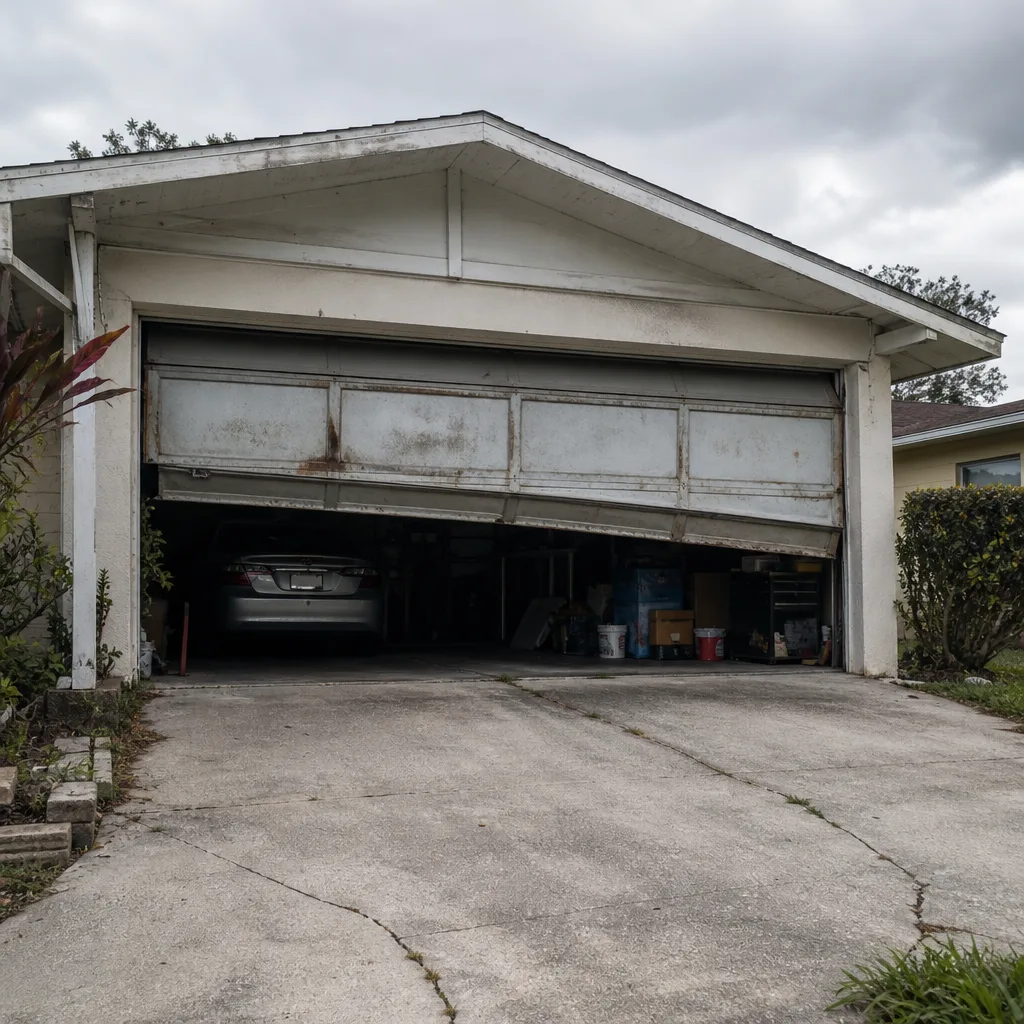 Before
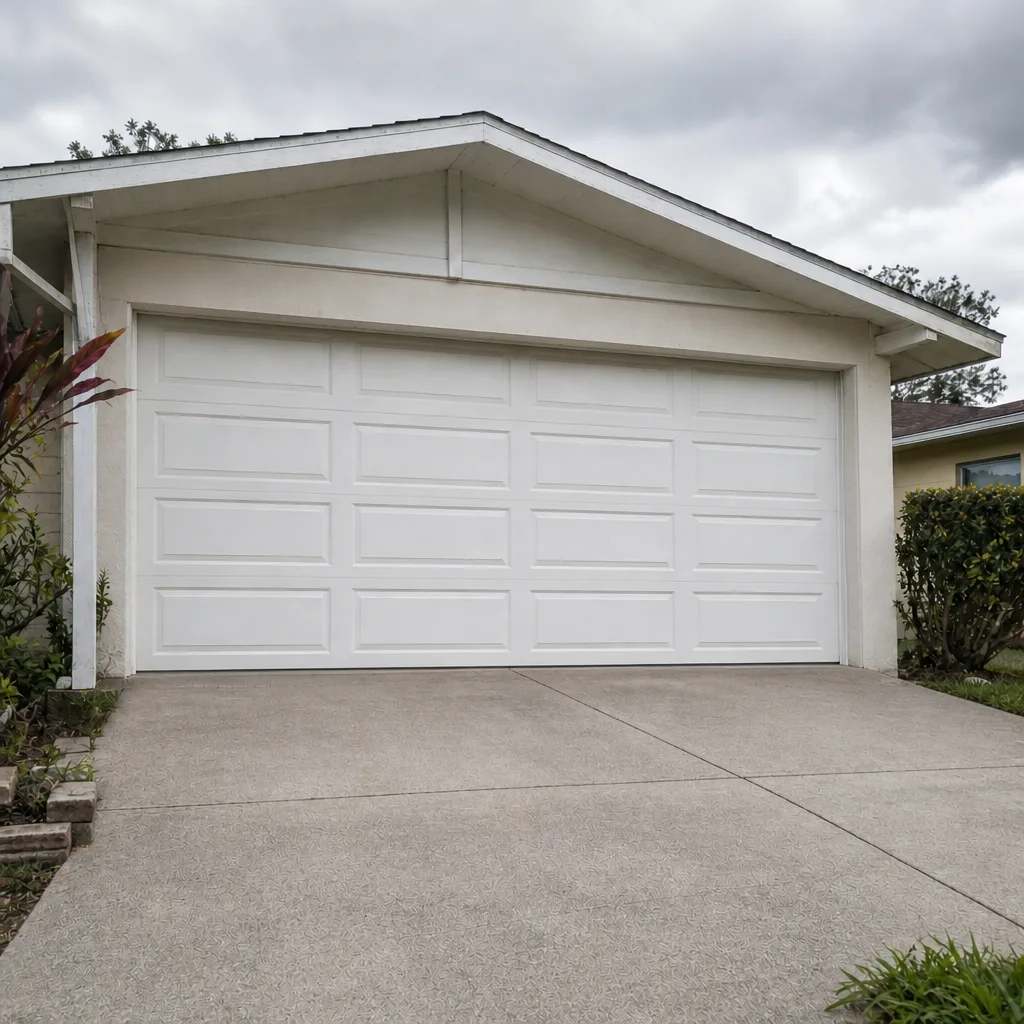 After
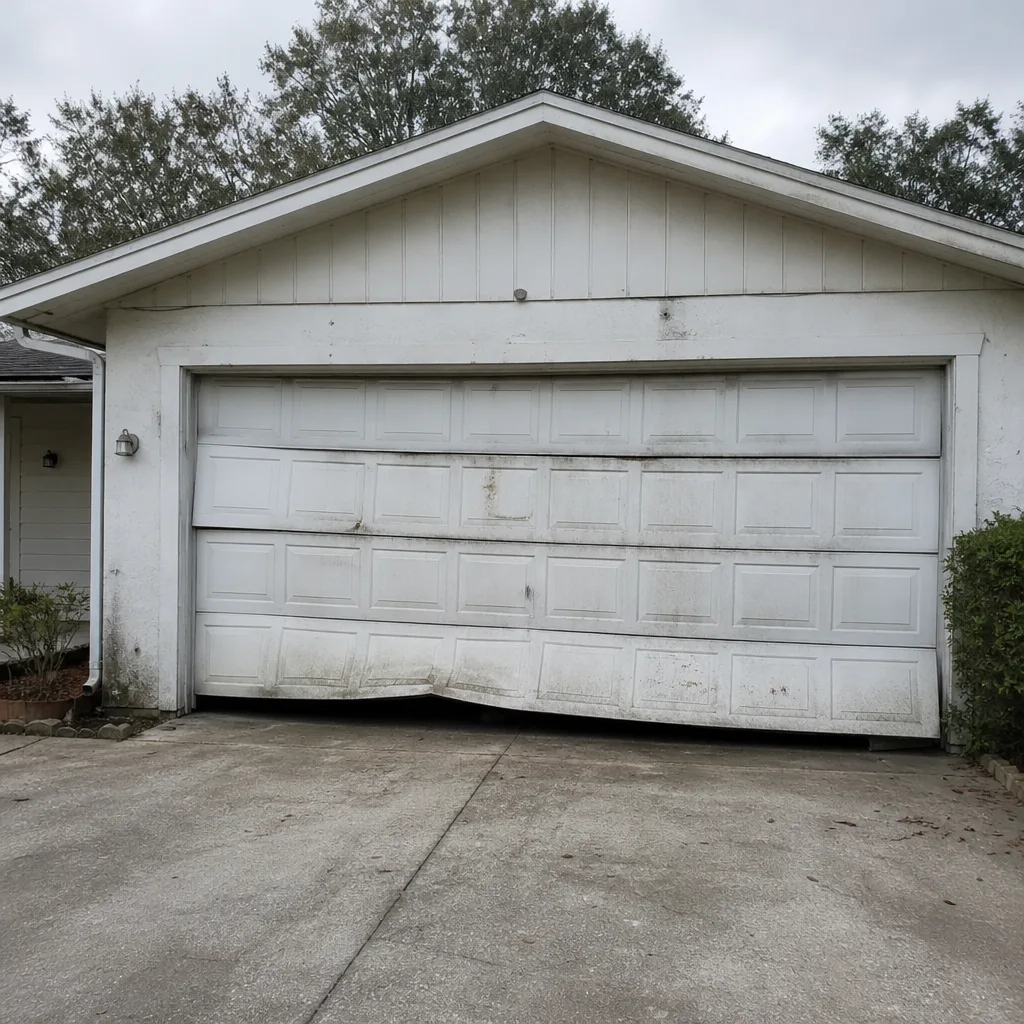 Before
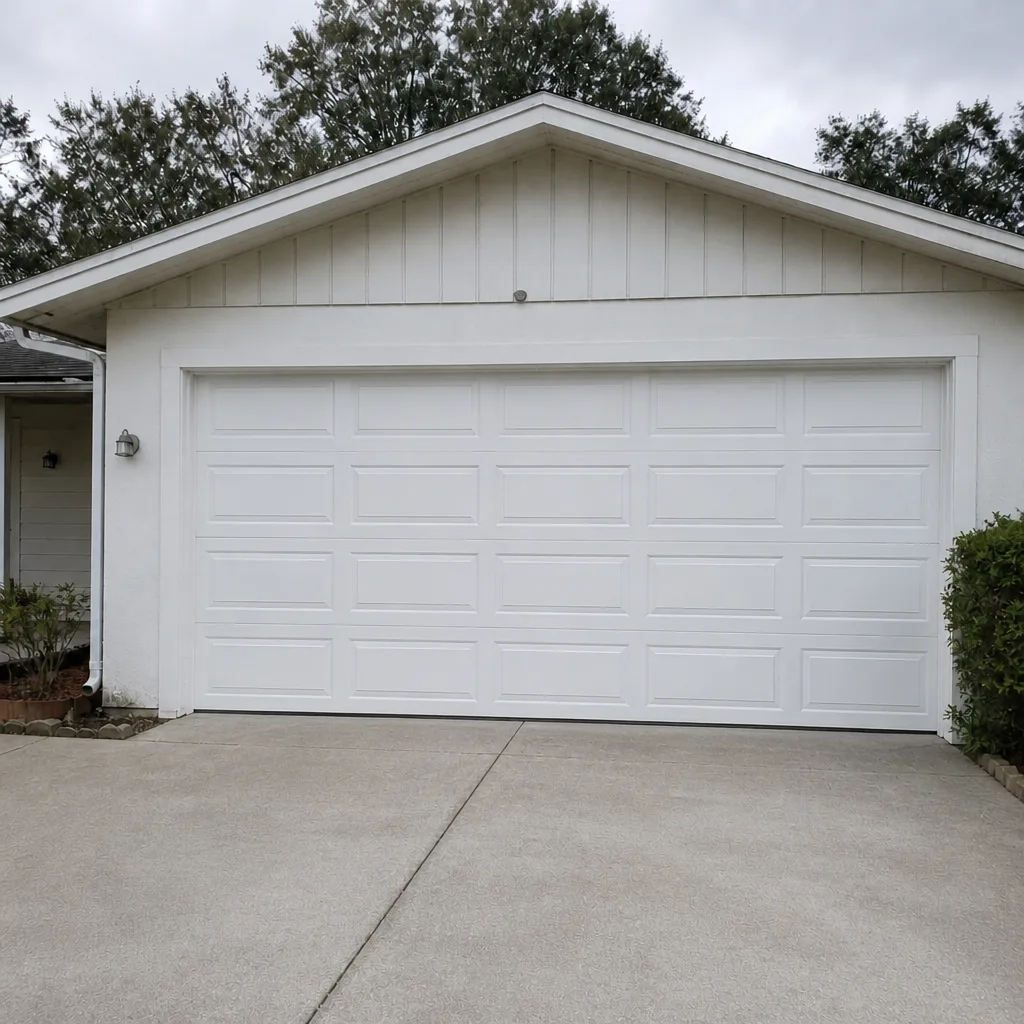 After
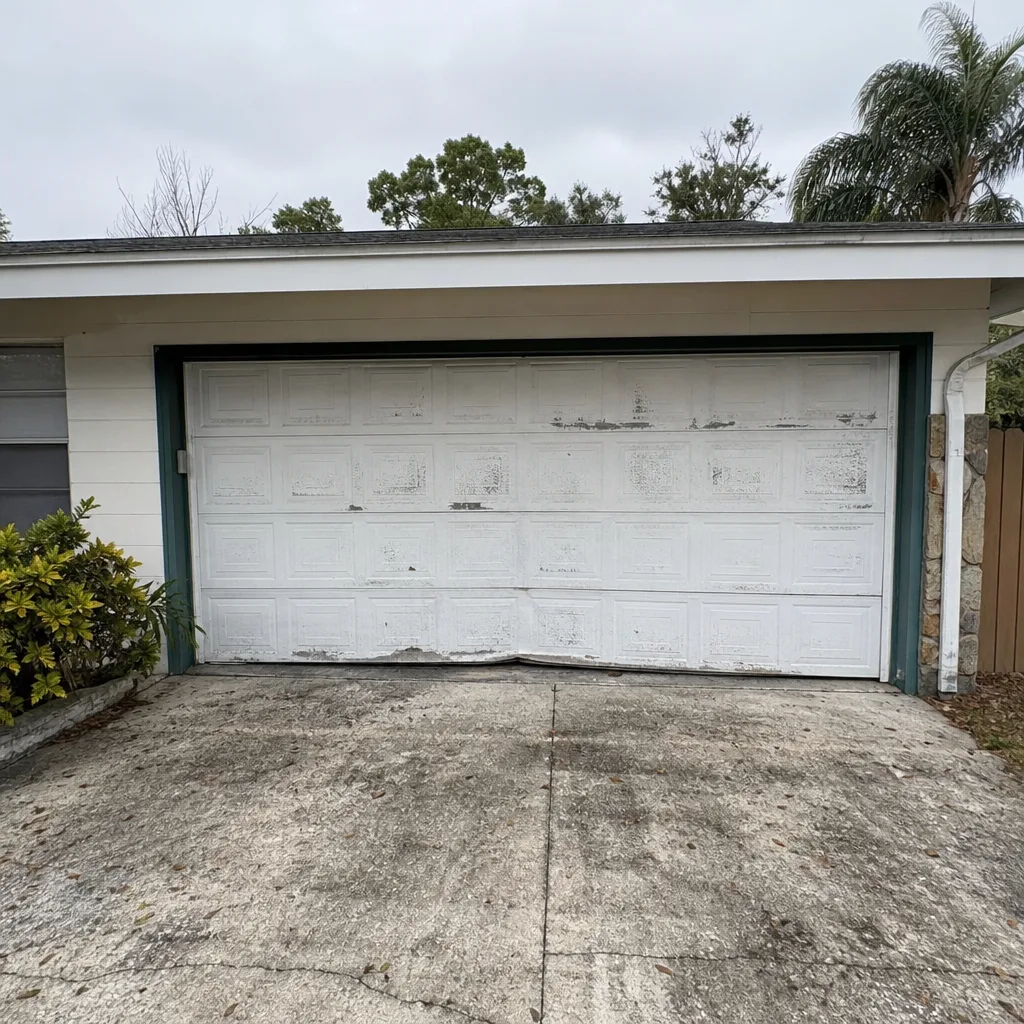 Before
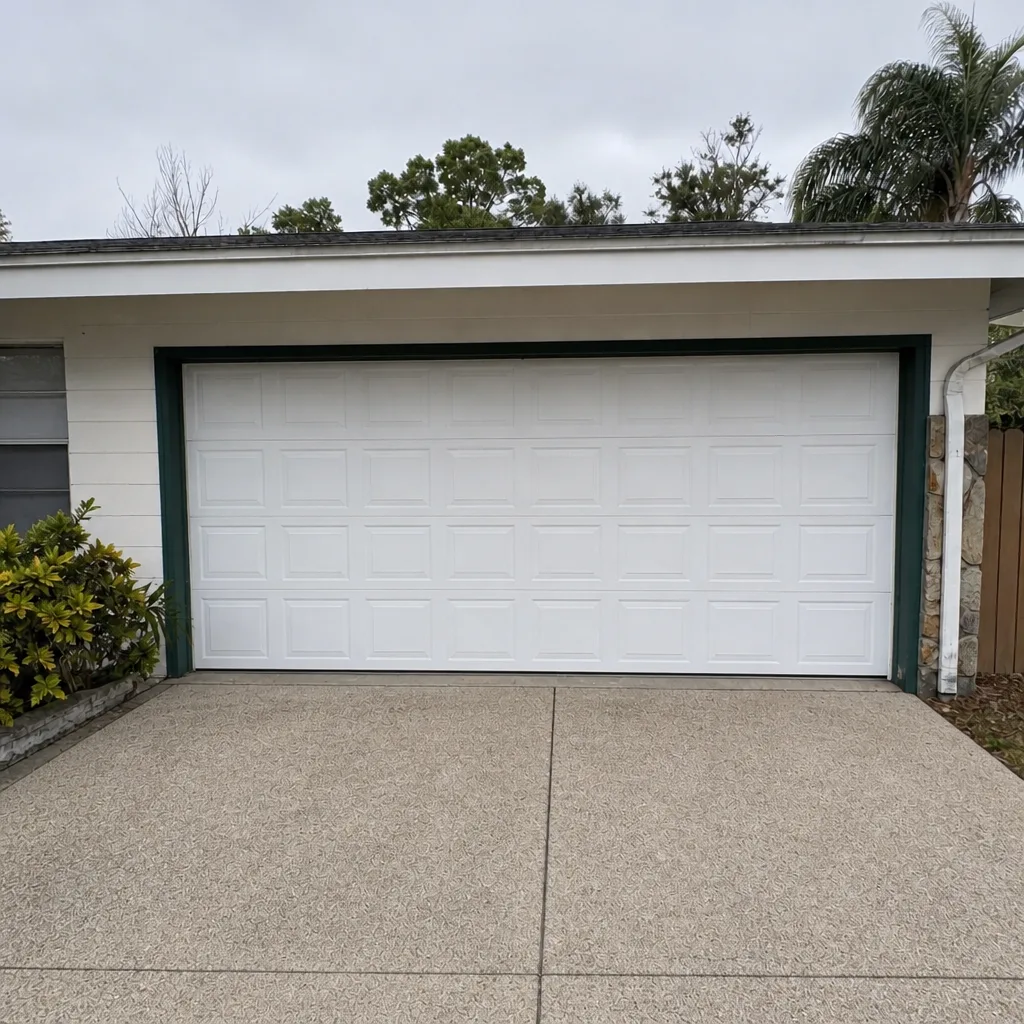 After
When to Call a Professional
Some jobs are fine as a DIY repair, and some are genuinely dangerous. Springs and cables under tension can cause serious injury, and a door that comes off its track or drops abruptly is a safety hazard. Do not attempt spring or cable work yourself: call a trained technician. Call us when a replacement is planned and you want the permit and approval paperwork handled correctly; when a door has been damaged and you need to know whether it’s repair or replacement; when an inspector has flagged something and you need it corrected; or when you’re buying or selling a Clearwater home and want the door documentation confirmed before closing. Clearwater Garage Door Repair Pros offers free estimates in Clearwater, and the price is quoted and agreed before any work starts. Call (866) 488-2820.
Frequently Asked Questions
Yes, in most cases a full garage door replacement in Clearwater requires a building permit and an inspection, because the door is a wind-load and structural component of the home. Simple repairs like springs, cables, rollers and openers generally don’t need a permit. Confirm with the City of Clearwater building department before work begins, and make sure the written estimate states whether filing is included. Call (866) 488-2820 for an exact quote – estimates are free.
Permit fees are set by the city and vary with the scope of the job and the current fee schedule, so the reliable number comes from the building department or from the written estimate. In our experience, the permit and inspection are a small part of the total project compared with the door itself. What matters more is who files and who schedules the inspection. Call (866) 488-2820 and we’ll walk through it before you commit to anything.
Ask your installer or supplier for the Florida Product Approval number tied to the exact door model being quoted, then confirm it matches the installed door’s label after installation. Approvals are model-specific and tied to an installation method, so the number has to match the door and the anchoring pattern. A reputable installer will hand you the number in writing before the order is placed. Call (866) 488-2820 if you want help checking a quote.
It can, because wind mitigation underwriting looks for documented opening protection, and the garage door is one of the openings. Missing permit records can make it harder for an inspector to confirm the door qualifies, which can affect a wind mitigation credit and complicate a storm damage claim or a home sale. Keeping the permit, approval number and inspection record together removes the question. Call (866) 488-2820 for a free estimate and a clear explanation of what documents you should keep.
The inspection visit itself is usually short, and it’s a visual verification that the installed door matches the permitted scope and the approved product. The longer part of the timeline is permit review and scheduling, so plan for weeks rather than days from order to closed permit. If you’re working toward a closing date or storm season, start the process early. Call (866) 488-2820 to talk through timing – estimates are free.
No, spring, cable, roller, hinge and opener repair generally do not require a permit, because the work stays inside the existing door system rather than replacing a structural or wind-load component. The price is still set by a written estimate and agreed before we start. If the repair turns out to be a replacement, we’ll tell you before proceeding and include the permit question in the conversation. Call (866) 488-2820.
You could physically, but the cost of skipping it lands later: a missing approval number can fail an inspection, affect insurance documentation and surface during a home sale. Springs and cables under tension are also genuinely dangerous, and the wind-load installation pattern has to match the approval. We recommend a trained technician and a closed permit. Call (866) 488-2820 to compare a proper estimate against a DIY plan – estimates are free.
The Bottom Line
A garage door in Clearwater is not just a moving panel; it’s an opening protection component governed by wind-load code, Florida Product Approval and the city’s permit process. Repair is usually exempt. Replacement and new installation are not. The paperwork is small compared with the door, and it’s the difference between a clean record and a question mark that can affect insurance, a claim or a sale. Verify the approval number before you buy, keep the permit and inspection record with your home documents, and factor permit time into your schedule. Our technicians have up to 11 years of experience and we’ll handle the sequence from measure to inspection. Call (866) 488-2820 for a free estimate. We answer 24/7. Fast dispatch from 7am to 7pm, Sunday through Friday.
Written by the team at Clearwater Garage Door Repair Pros.