
Last updated November 21, 2026
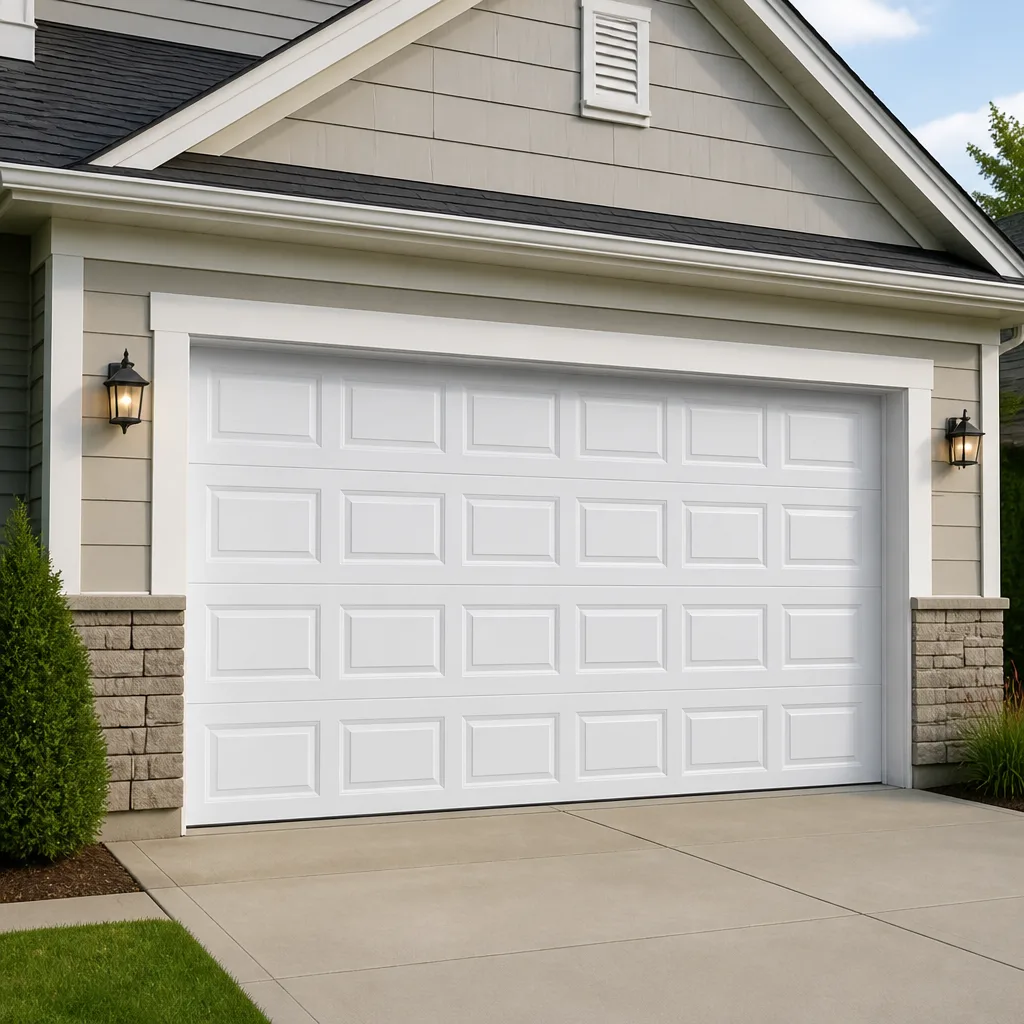 Raised-panel steel
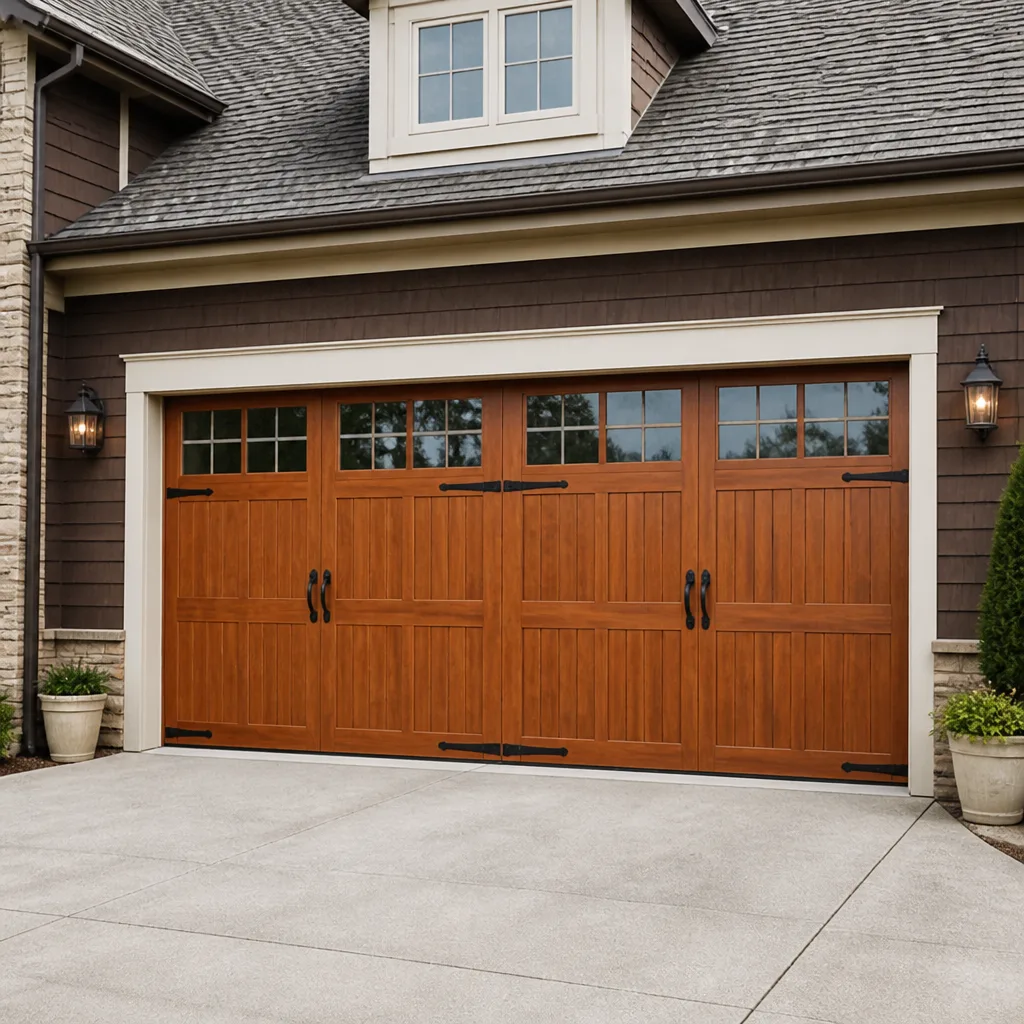 Carriage house
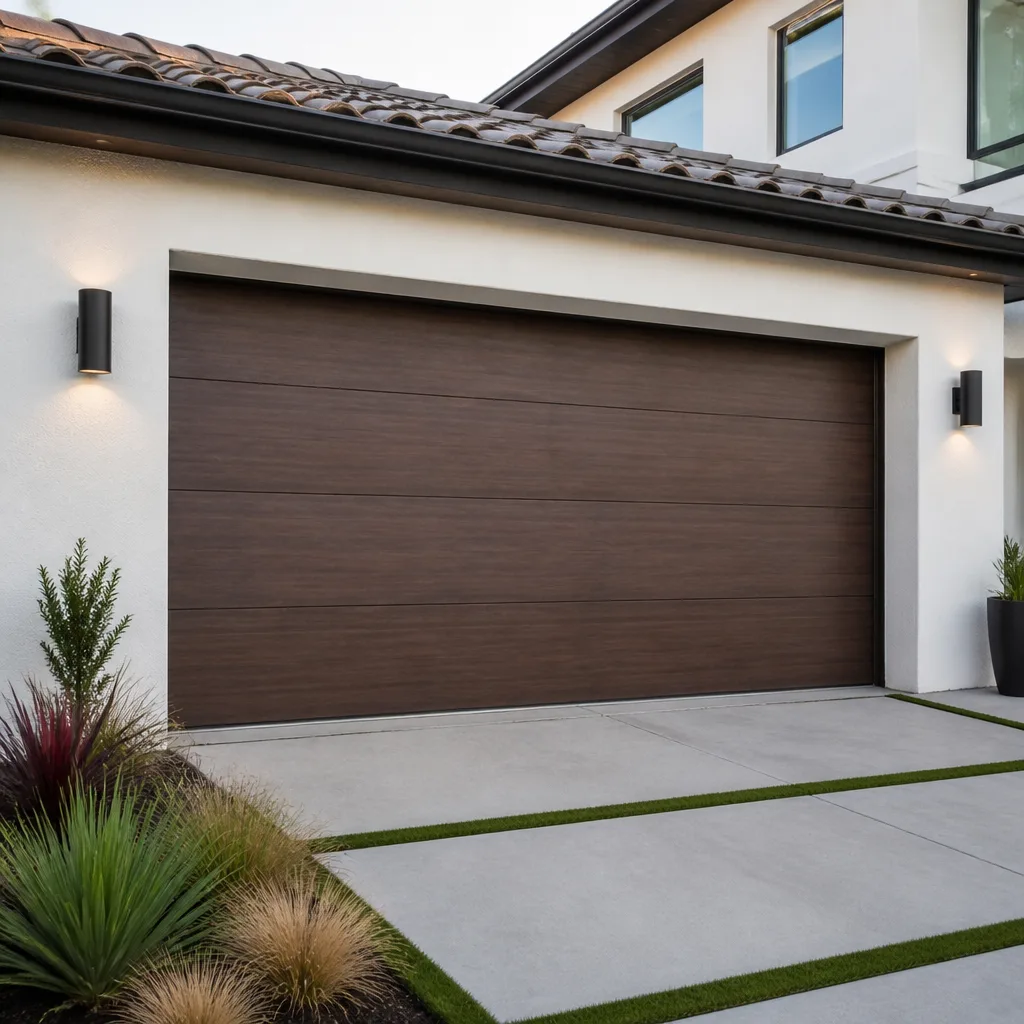 Modern flush
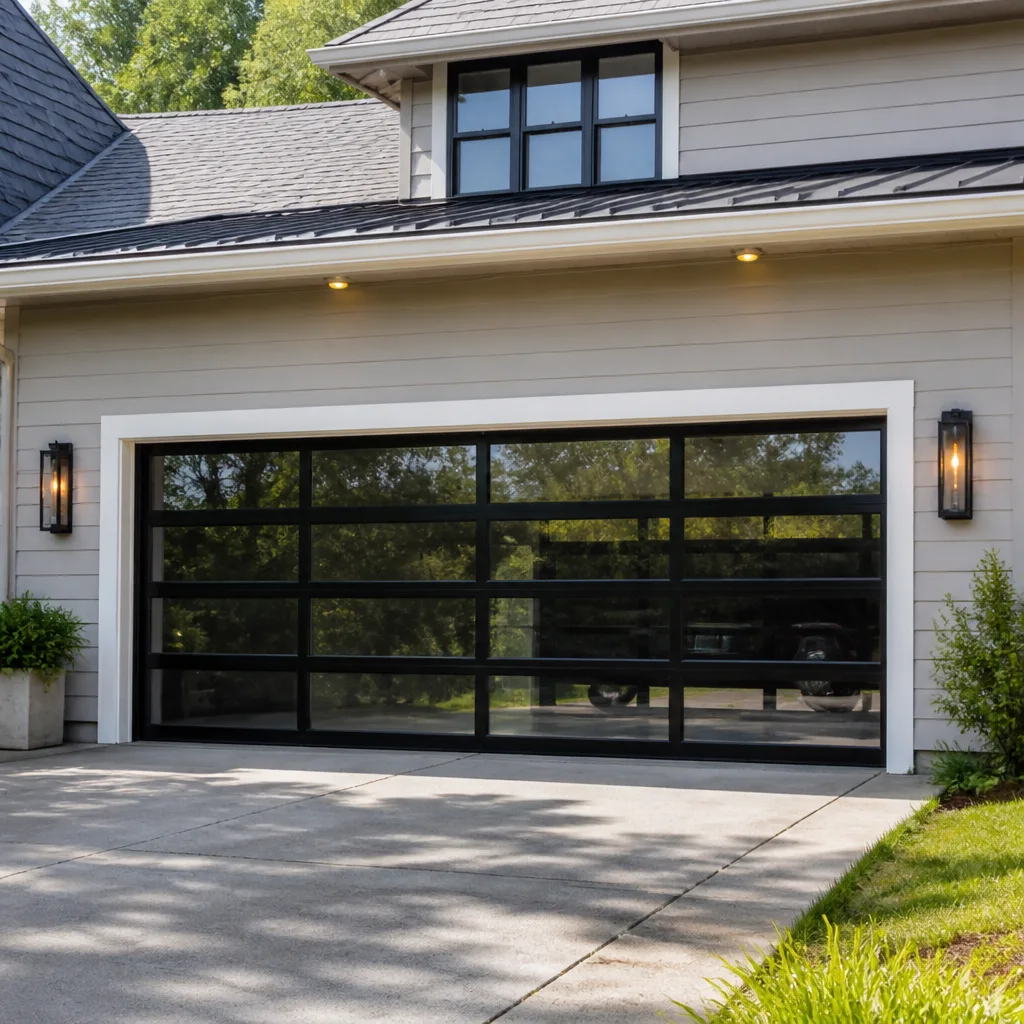 Full-view glass
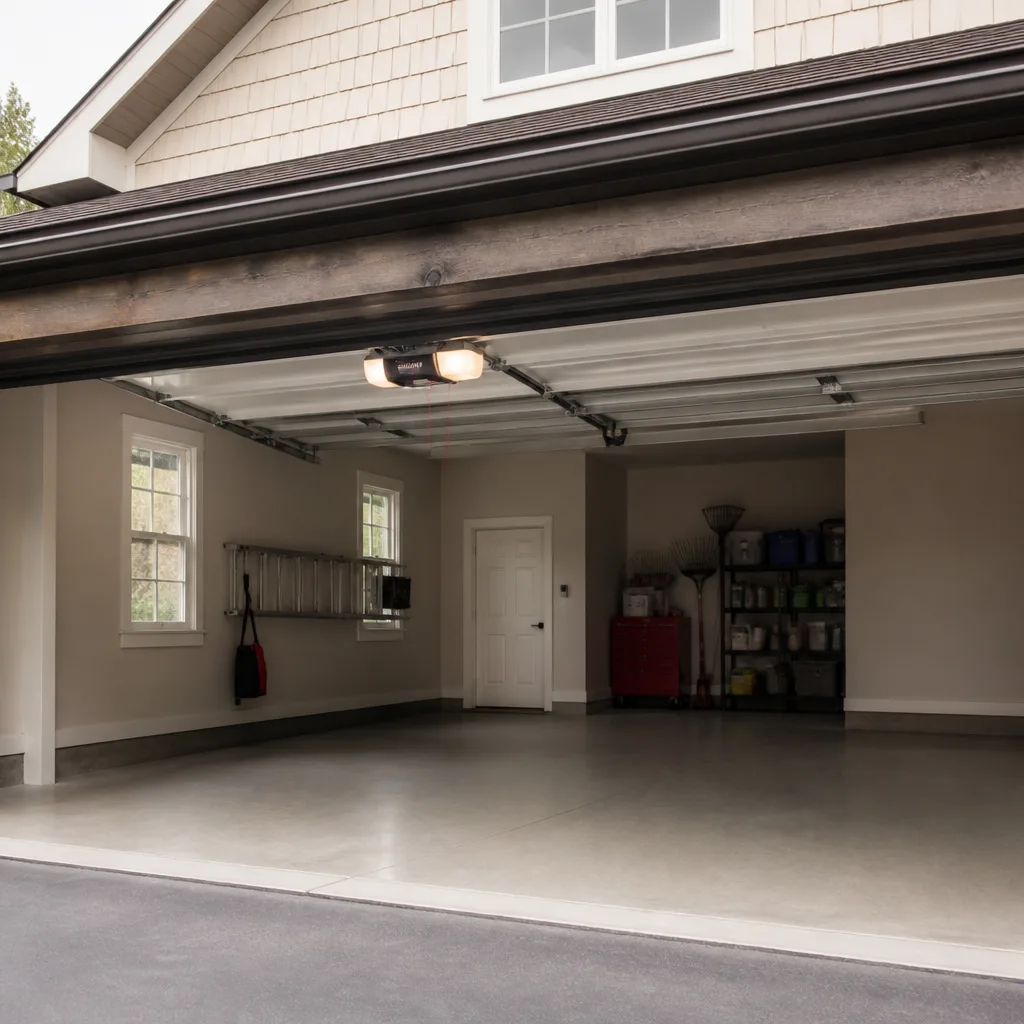 LiftMaster openers
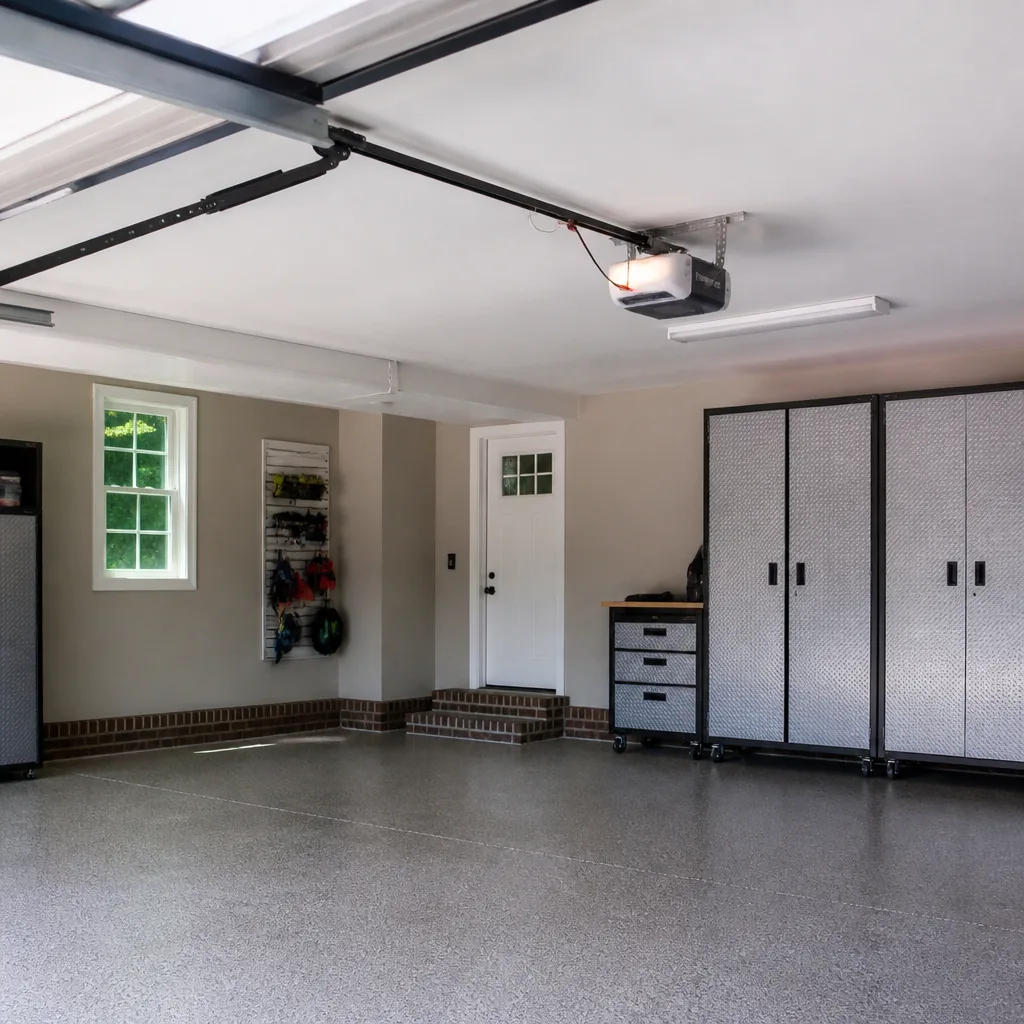 Chamberlain openers
Full 25-point door and opener safety check with every visit - springs, cables, rollers, tracks, and your LiftMaster or Chamberlain opener included
You get a price before we start. It does not change when the pro arrives.
Get your free estimateGarage Door Emergency Preparedness Guide for Clearwater Homes
A garage door is the largest structural opening in most Florida homes, and in high wind it does more than move a car in and out. When a door fails during a storm, the wind pressure it was holding back can shift onto the walls and roof around it. The part that surprises most Clearwater homeowners is this: a door that opens fine in calm weather can still be the weak point in a house that otherwise handles a hurricane well. This guide covers the two things people usually haven’t planned for: getting a Clearwater door ready before a storm, and knowing exactly what to do when it jams or breaks with the power out.
Quick Answer
Emergency garage door preparedness in Clearwater comes down to three moves: know how to release your opener and lift the door by hand during an outage, brace or secure a door that’s stuck open before weather arrives, and inspect the door carefully after a storm before you try to run it. If the door is jammed, bent, or hanging on a broken spring, stop and call a trained technician instead of forcing it.
When you need help, call (866) 488-2820. We answer 24/7, with fast dispatch from 7am to 7pm, Sunday through Friday.
Styles & brands we work with
- Raised-panel steel
- Carriage house
- Modern flush
- Full-view glass
- LiftMaster openers
- Chamberlain openers
Table of Contents
- Why Your Garage Door Matters More in a Clearwater Storm
- How to Open a Garage Door by Hand During a Power Outage
- Reinforcing an Older Door Before Hurricane Season
- What to Do If the Door Fails During an Active Storm
- Securing a Door That’s Stuck Open Ahead of Weather
- Post-Storm Inspection: Before You Touch the Door
- Opener and Battery Tips for Storm Season
- Building a Simple Storm Plan for Your Garage
Why Your Garage Door Matters More in a Clearwater Storm
Most of us think of the garage door as a convenience feature. In high wind, it’s a pressure boundary. A garage door is a big, flat surface that catches wind, and most residential doors are engineered to resist a certain amount of pressure and then transfer the load into the surrounding structure. When the door gives way, that pressure finds the next weakest path: the interior wall, the ceiling, in some cases the roof structure itself. The failure of the door becomes a failure of the building envelope.
Clearwater’s storm season makes this worth taking seriously. Tropical systems and the strong afternoon thunderstorms that build across the Tampa Bay area put repeated pressure on doors, openers, and hardware every summer. Homes near the water and in low-lying neighborhoods can also see wind-driven rain pushing against the door, not just wind.
A few things make a door more vulnerable here:
- Older doors installed before modern wind-load standards were adopted by local building departments
- Doors with worn rollers, bent tracks, or springs past their service life
- Single-car doors that were never braced for wind, common on older Clearwater homes
- Opener rails and mounts that have loosened over time and can’t hold a door steady in gusts
The good news: most of these are fixable before a storm arrives. A trained technician can look at your door and tell you what it can handle and what it can’t. Our technicians have up to 11 years of experience working on every major door and opener system, from garage door repair to full replacements, so the assessment is grounded in the hardware that’s actually on your house.
How to Open a Garage Door by Hand During a Power Outage
If the power is out and the door is intact, you can open it manually. Most homeowners don’t realize this until they’re stuck on the wrong side of a closed door. The manual release is a red cord or handle that hangs down from the opener trolley. Pulling it disengages the door from the opener so you can lift it by hand. But how you do it matters, and there are safe ways and unsafe ways.
Here’s the sequence that works for most residential doors:
- Make sure no one is standing under or directly in front of the door.
- Confirm the door is fully closed before you pull the release. Releasing a door that’s partway up can let it drop suddenly.
- Pull the red release cord straight down until the trolley clicks free of the door arm.
- Lift the door slowly and evenly with both hands, using the bottom section. Don’t yank.
- Once the door is up, prop or hold it, since a manual door has nothing holding it open on its own unless the springs are healthy.
A few things to know before you try this:
- If the door feels unusually heavy, the springs may be worn or broken. Stop, put the door down carefully, and call for help. A door with failed springs is much heavier than it looks, and forcing it can injure you or damage the panels.
- Never try to manually lift a door if you see a broken spring or a cable hanging loose. Torsion springs and the cables attached to them are under extreme tension and are not something to work around without training.
- Once power returns, re-engage the door by pulling the release cord back toward the opener and running the door through one full cycle to confirm it reconnects.
We’ve had Clearwater homeowners call us after a storm because the manual release had been used and the door wouldn’t reconnect to the opener. Usually it’s a matter of re-engaging the trolley correctly. Sometimes the opener’s travel limits have drifted and need adjustment. A quick diagnostic sorts out which one it is.
Reinforcing an Older Door Before Hurricane Season
Not every door needs to be replaced to handle Clearwater wind. Many older doors can be made safer with reinforcement kits, upgraded hardware, or bracing added to the panels. A reinforcement kit typically adds a horizontal strut across the width of the door and sometimes a vertical brace to the panels, spreading wind pressure across the door and into the tracks and header more evenly. A trained technician can also check the hinges, rollers, and track brackets for wear and replace anything that would fail under load.
What can and can’t be reinforced depends on the door. Steel doors with solid panels are usually the best candidates. Wood doors and older single-skin aluminum doors are harder to reinforce safely, and in some cases replacement is the more sensible option. That’s a conversation to have with someone who works on doors every day, not a general contractor who happens to add a brace.
If reinforcement or replacement is on your list this season, we handle garage door installation on doors from Clopay, Amarr, Wayne Dalton, and other major manufacturers, and we can walk you through what fits your opening and your wind requirements. That work is measured and scheduled, so the timeline is set by the door rather than by a same-day call. We’ll give you a free measure and a written price before anything is ordered.
One practical note: reinforcement does not make a lightweight door equal to a wind-rated door. It’s an improvement, not a replacement for a door built to current standards. If your home is in a part of Clearwater where wind-load requirements are more stringent, and your door was installed decades before those rules, a new door is often the more honest answer.
What to Do If the Door Fails During an Active Storm
If the door jams or breaks while a storm is happening, your priority order is safety, then containment, then repair. Don’t try to fix anything while the wind is still pushing on the door. Here’s what to do:
- Keep everyone, including pets, out of the garage and away from the door.
- If the door is partially open and the wind is pushing it, don’t try to raise or lower it. Leave it where it is and close the interior door between the garage and the house.
- Move anything valuable or flammable out of the garage if you can do it safely.
- Once the weather has passed and it’s safe to go outside, inspect the door from a distance before you touch it.
- Call for professional help. A door that’s jammed, bent, or off its track during or right after a storm is not safe to operate yourself.
What not to do:
- Don’t try to force a bent panel back into the track with a pry bar. You can cut yourself, bend the track further, or damage the opener.
- Don’t stand under a door that’s supported only by a partially failed spring or cable.
- Don’t run the opener repeatedly to try to “free” a stuck door. That can strip the opener gear, damage the motor, or cause a sudden release.
- Don’t assume a door that looks fine is fine. Look for sagging panels, popped hinges, and tracks that have pulled away from the wall before you operate it.
If your door fails during a Clearwater storm and the house is unsecured or a car is trapped inside, that’s exactly what emergency service is for. Call (866) 488-2820. We answer 24/7 and can advise on what to leave alone until a technician can get to you. Fast dispatch runs from 7am to 7pm, Sunday through Friday. A call outside those hours is booked into the next opening.
Securing a Door That’s Stuck Open Ahead of Weather
A door that’s stuck open as weather moves in is a different problem from one that’s stuck closed. If the door can’t be closed normally, you need to get something across the opening that reduces the wind pressure and keeps the opening from becoming a direct path into the house.
Options to consider, in order of preference:
- If the door will move manually, lower it slowly and carefully by hand with someone spotting from the side, and secure it in the closed position with a clamp or brace against the track if the hinges will hold.
- If the door won’t close, use heavy furniture, shelving, or a vehicle parked inside against the interior wall only if it’s safe, and then close the interior door to the house.
- Board up or brace the opening from inside the garage using plywood if it can be done safely and quickly. Don’t try this once the wind has picked up; the door itself becomes dangerous to work around.
- Move anything perishable, electronic, or valuable out of the garage before the storm arrives.
Keep in mind that a compromised door in high wind is dangerous to work near. If you’re already in the storm window, the safest thing is to stay away from the door, close off the garage from the rest of the house, and let it ride until the weather passes. A trained technician can come out after and get the door back on track.
Post-Storm Inspection: Before You Touch the Door
After a hurricane or tropical storm has passed, don’t just hit the opener button and assume everything is fine. Doors can shift in the tracks, springs can lose tension, cables can jump, and the opener’s mounting can pull loose from the ceiling without anything obvious looking wrong from the driveway. A careful inspection first saves you from turning a repairable issue into a bigger one.
Walk the door and opening in this order:
- Look at the tracks from the outside. Are both sides parallel, or has one side pulled away from the wall or bent?
- Look at the panels for dents, sagging, or separation at the hinges.
- Check the springs above the door. If any spring looks stretched, broken, or has a visible gap, don’t try to operate the door.
- Check the cables on both sides. A cable that’s off a drum or wrapped oddly means the door shouldn’t be run.
- Look at the opener rail and ceiling mounts. If they’re loose or bent, the door isn’t ready to be opened by the motor.
- If everything looks intact, engage the manual release, lift the door about a foot by hand, and see if it feels balanced. If it feels heavy or uneven, call for service before using it.
If the door passes, run it through one full cycle from the wall button and watch it closely. Any grinding, popping, or hesitation is worth a professional look. LiftMaster and Chamberlain openers, both common in Clearwater homes, will sometimes pull off their travel limits after a power surge or outage, which shows up as a door that stops short or reverses. That’s usually a quick fix, and it’s part of our garage door opener repair work.
Opener and Battery Tips for Storm Season
An opener without a backup battery is one failed test away from being a problem during an outage. Many modern openers, including several LiftMaster and Chamberlain models, support a battery backup that will cycle the door a limited number of times without power. If yours has one, test it before storm season by unplugging the opener, opening and closing the door once on battery, then plugging it back in. If it doesn’t open, replace the battery.
Other things to check on your opener before storm season:
- Test the safety reverse. Place a small object in the door’s path and confirm the door reverses when it contacts it. If it doesn’t, the opener needs adjustment before you trust it.
- Confirm the wall button works and isn’t stuck. A stuck button can keep the door from closing properly in normal use, which matters if you’re trying to close up ahead of a storm.
- Clear the photo-eye sensors. Debris from a storm or a windblown branch across the sensors will keep the door from closing, which is a common surprise when people try to close up after a storm.
- Check the manual release cord is reachable and not tangled. It should hang freely.
If your opener is old, slow, or has been repaired more than once, replacing it before storm season is often cheaper than nursing it through another summer. We work on LiftMaster, Chamberlain, Genie, Craftsman, Raynor, and other leading brands, so the replacement fits your door and your wiring the first time.
Building a Simple Storm Plan for Your Garage
None of the above helps if it’s scrambled together on the day a storm makes landfall. A simple plan, written down, takes most of the panic out of the moment. Here’s the plan we recommend every Clearwater homeowner put together before hurricane season starts:
- Do a pre-season inspection of the door, opener, and springs with a technician if anything looks worn or feels heavy.
- Test the manual release once, calmly, so you know how your door behaves and where the cord is.
- Test the opener’s battery backup and the safety reverse.
- Write down your door brand and model, and the opener brand, so anyone helping you can identify the hardware quickly.
- Keep a small box in the garage with a flashlight, a pair of work gloves, and a note of your technician’s number.
- If a storm is forecast, close the door, clear the opening and driveway, and move valuables out of the garage.
- After the storm, inspect before you run the door, and call if anything looks off.
Clearwater’s storm season is predictable. The specific damage a storm causes isn’t. That’s why the plan is about preparation and the call is about whatever the storm leaves behind.
Common Mistakes to Avoid
- Running the opener on a door that’s clearly stuck or bent. A stuck door and a working motor is a bad combination. If the door won’t move freely by hand, stop and get it looked at.
- Pulling the manual release while the door is partway up. Releasing a partially open door can let it drop hard. Confirm it’s fully closed first.
- Trying to fix a spring over the weekend of a storm. Torsion springs and the cables attached to them can cause serious injury. This is the one repair to leave to trained technicians, no exceptions.
- Assuming a door that closes in calm weather will hold in wind. Storm readiness is about the door’s rated capacity and its hardware condition, not how it feels on a normal afternoon.
- Forgetting the photo-eye sensors after a storm. A branch or pine straw across the eyes will keep the door from closing, and many people only discover this after they’ve tried to close up.
- Ignoring a slow or struggling opener before the season. A weak opener that barely lifts the door in May is one that will fail you in July. This is a good time to look at it.
- Skipping the post-storm inspection. Doors can look fine from the street and still be off their tracks, with a loose spring or a compromised cable. Walk and check before you use it.
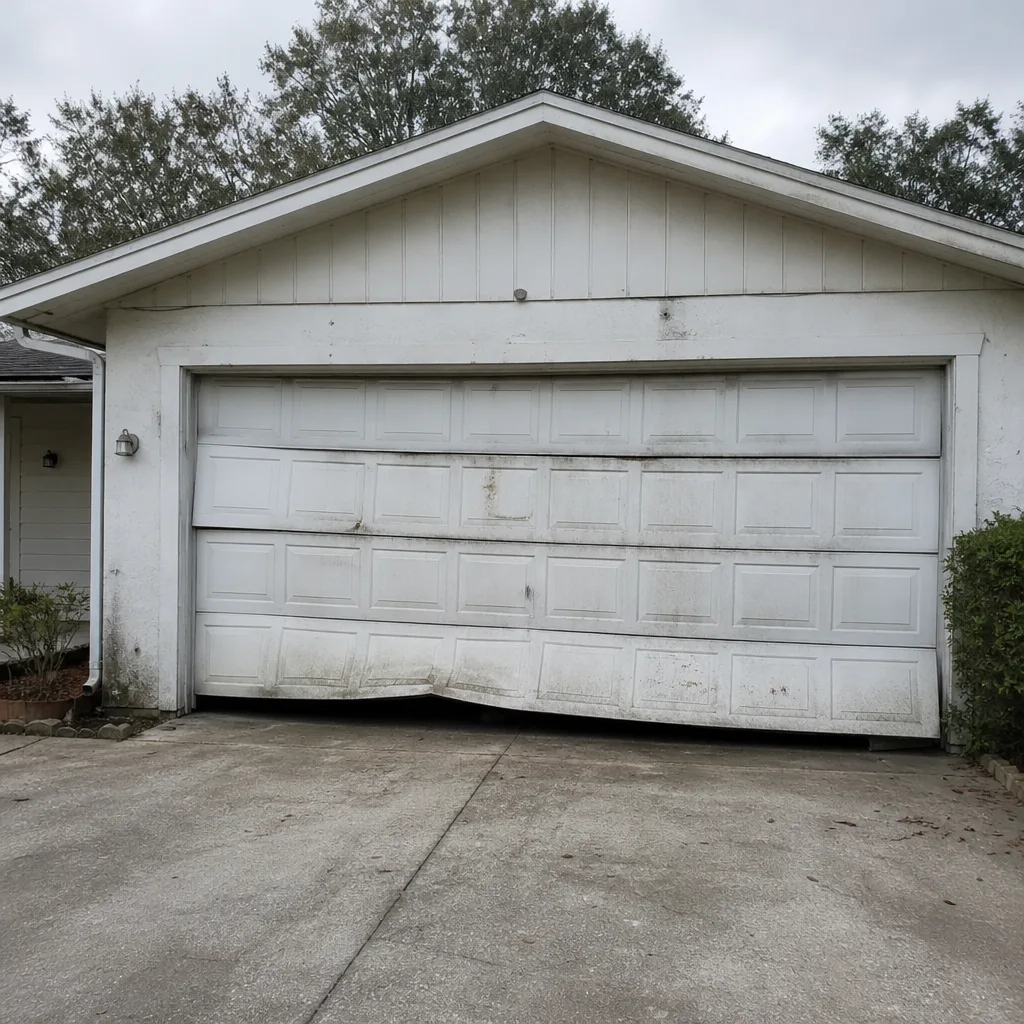
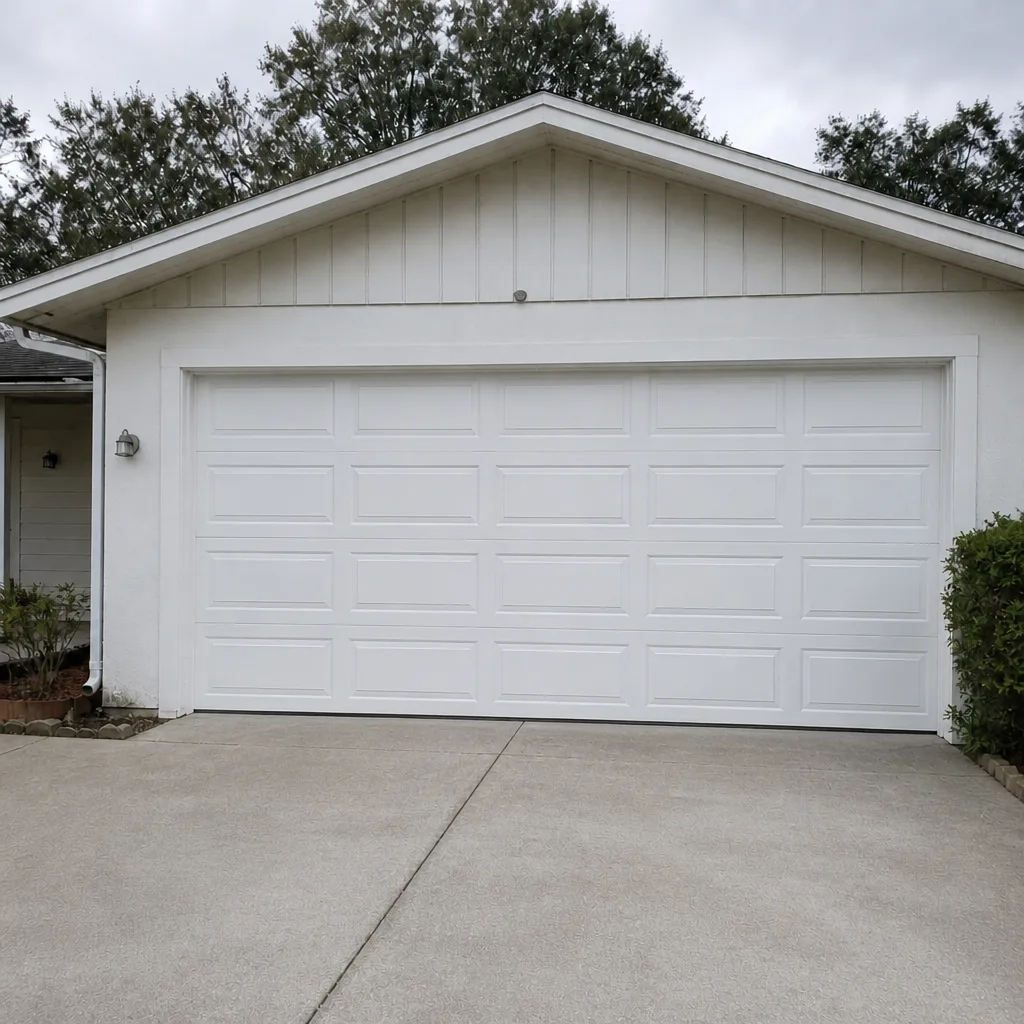
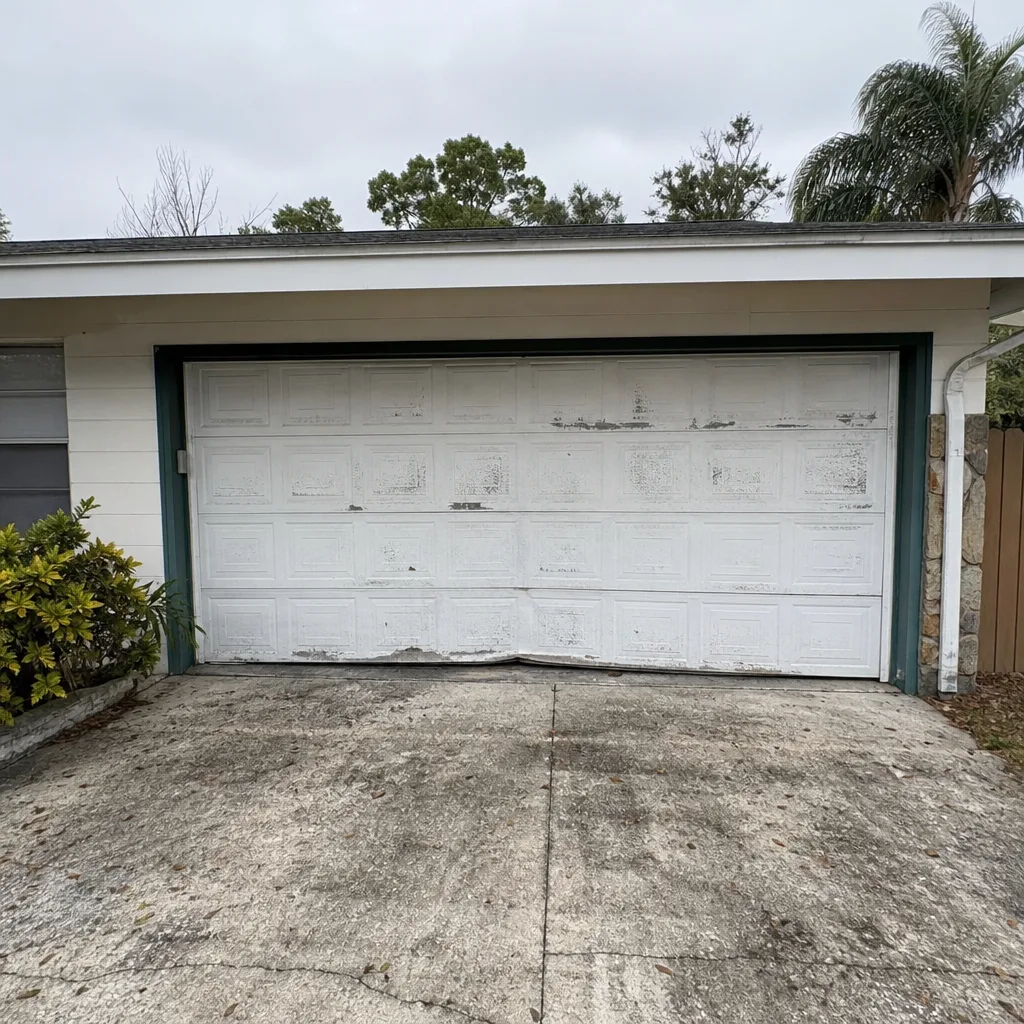
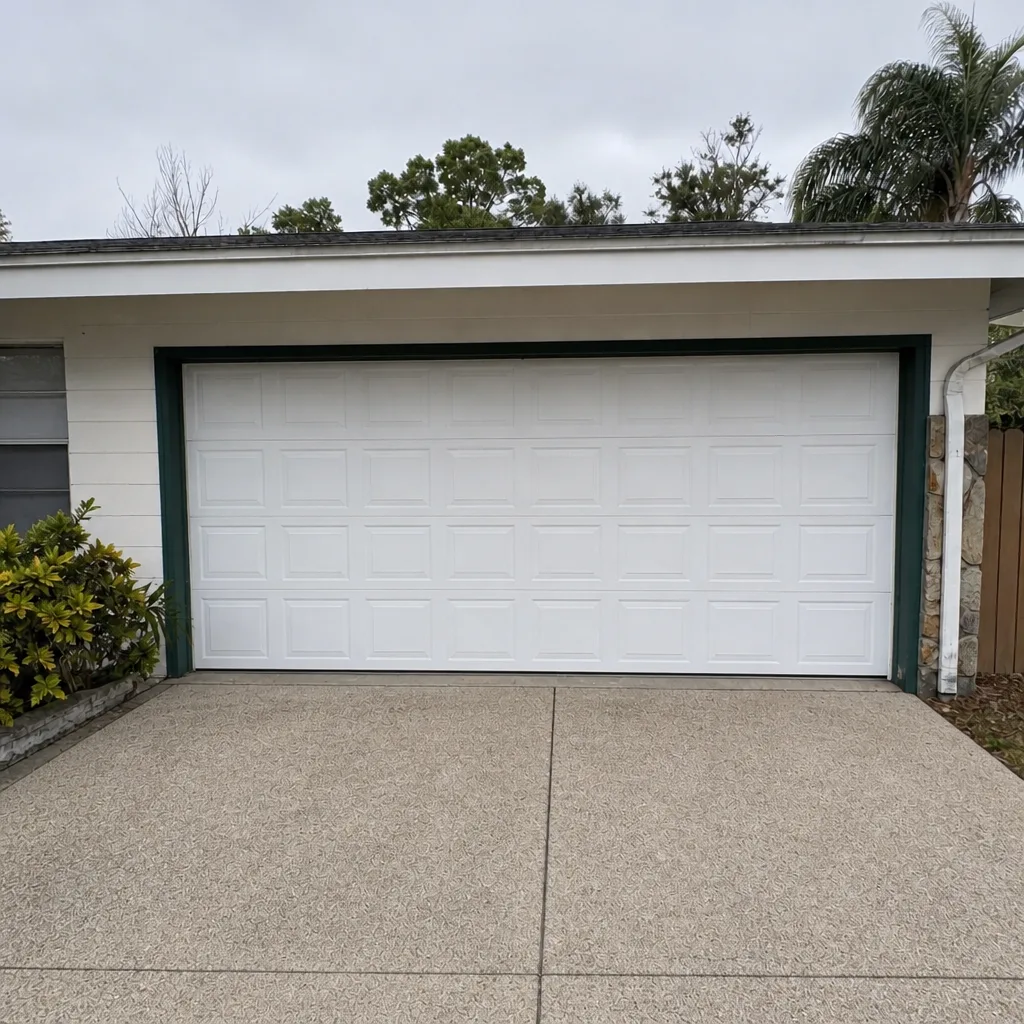
See the difference
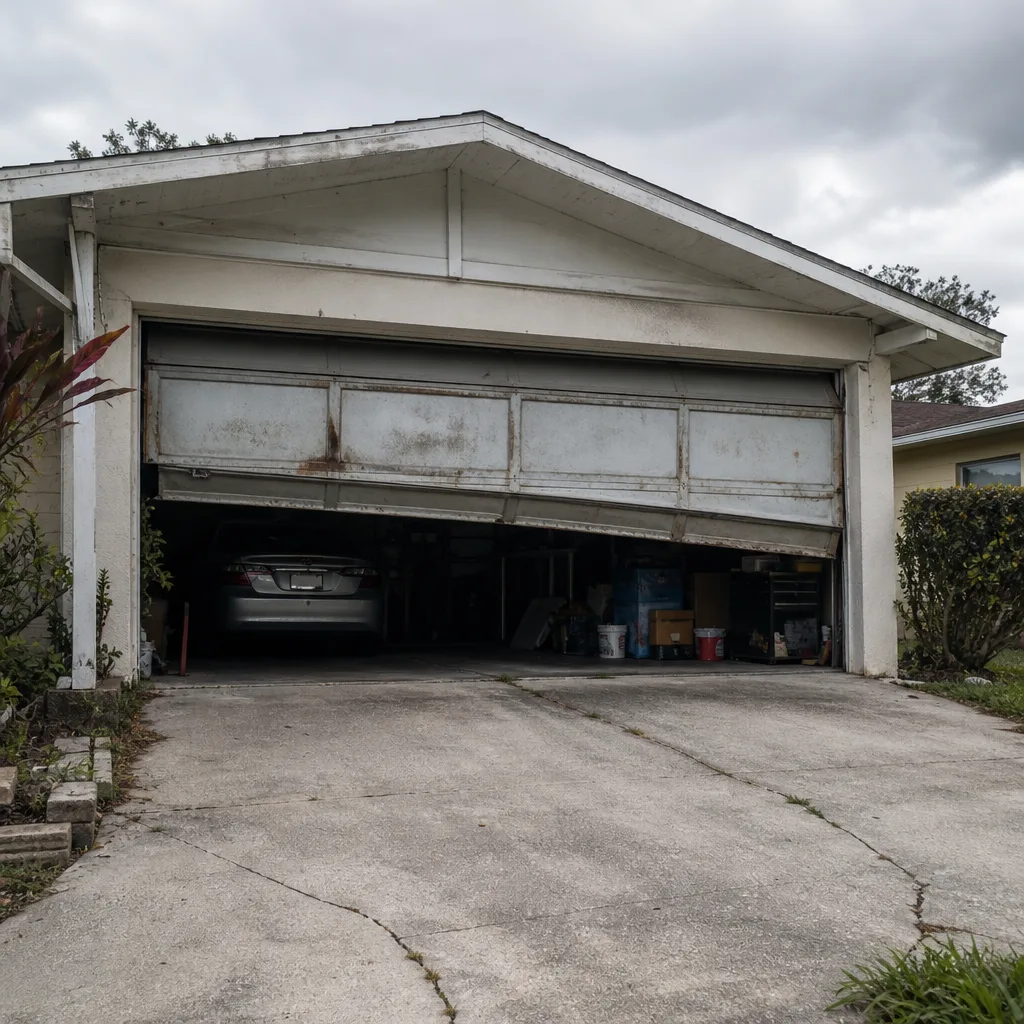 Before
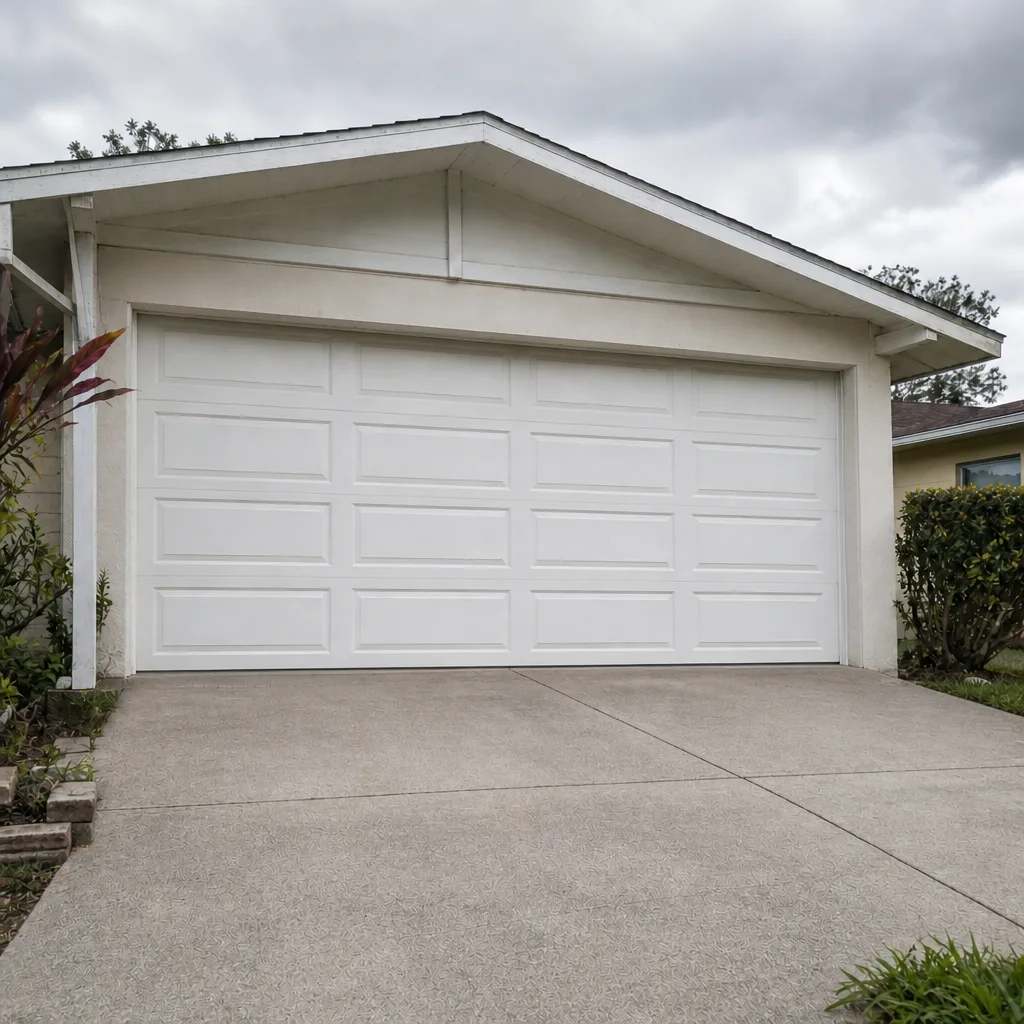 After
 Before
 After
 Before
 After
When to Call a Professional
Call a professional if the door is jammed, bent, or off its track; if a spring is broken or looks stretched; if a cable is loose or off a drum; if the door feels much heavier than usual when you lift it by hand; if the opener runs but the door doesn’t; if the safety reverse fails; or if the door was moving when a storm hit and now won’t operate correctly. All of those are situations where the safe path is the same: stop using the door, keep people away from it, and get a trained technician out. Clearwater Garage Door Repair Pros offers free estimates in Clearwater. Call (866) 488-2820. We answer 24/7, with fast dispatch from 7am to 7pm, Sunday through Friday.
We’re a garage door specialist, not a general handyman. From snapped springs to full installations, we work on doors and openers from the major brands, and we carry the parts knowledge to fix the specific hardware on your house. When we come out, we diagnose your door and quote the work before we start. The written estimate is the price.
Frequently Asked Questions
Pull the red manual release cord hanging from the opener trolley, then lift the door slowly and evenly with both hands from the bottom section. Make sure the door is fully closed before you pull the release, and don’t try to lift it if the springs feel weak or broken. If the door is unusually heavy, stop and call (866) 488-2820 for help. Estimates are free.
Stay away from the door and close it off from the rest of the house. If the door can be closed safely by hand before the wind picks up, do it, then secure it in position. If the storm is already here, board or brace the opening from inside only if it can be done safely and quickly. Call (866) 488-2820. We answer 24/7 and can advise on what to leave alone until a technician reaches you.
Yes, emergency service is part of what we do, particularly when a broken door leaves a home unsecured or a vehicle trapped inside. Call (866) 488-2820. We answer 24/7, with fast dispatch from 7am to 7pm, Sunday through Friday. A call outside those hours is booked into the next opening.
Emergency repair is priced per job by the written estimate, not by the hour, and we don’t charge a premium for it. The estimate tells you what the work costs before we start. Call (866) 488-2820 for an exact quote, and estimates are free.
The written estimate is the price. If we open the door and find additional damage the estimate didn’t cover, we tell you before doing any further work and get your approval for the change. We don’t add charges after the fact. Call (866) 488-2820 for a free estimate.
The local professional we connect you with is licensed and insured as the state requires. Our technicians have up to 11 years of experience working on garage doors and openers, and we work on LiftMaster, Chamberlain, Genie, Clopay, Amarr, Wayne Dalton, Craftsman, and Raynor systems specifically, so the diagnosis matches the hardware. Call (866) 488-2820 to schedule.
The Bottom Line
Storm readiness for a Clearwater garage door is two skills, not one. Before a storm, it’s about knowing whether your door can handle the wind, adding reinforcement where it’s needed, testing the manual release and the opener’s battery backup, and having a plan written down. After a storm, it’s about inspecting before you run the door and calling for help the moment anything looks off. The one thing to never do is force a jammed or bent door yourself, especially around springs and cables. If you’re not sure about your door, Clearwater Garage Door Repair Pros offers free estimates in Clearwater. Call (866) 488-2820 to get your door checked before the next system comes through.
Written by the team at Clearwater Garage Door Repair Pros.